

The Aqueducts and Baths of Ephesus: Engineering Feats of the Ancient World
The aqueducts and baths of Ephesus stand as remarkable testaments to the engineering ingenuity of the ancient world. These structures were not merely utilitarian; they played a crucial role in shaping the daily life, culture, and development of Ephesus. The aqueducts ensured a steady supply of fresh water, while the baths served as vibrant centers for hygiene, leisure, and social interaction. This article explores the history, architectural brilliance, and cultural significance of these engineering marvels, revealing their lasting impact on the city's development and identity.
Historical Background
Early Water Systems in Ephesus
The history of Ephesus' aqueducts and baths dates back to its earliest days. Situated near the Cayster River, the city initially relied on nearby water sources for its needs. However, as the population grew and urban development expanded, the need for a more sophisticated water supply system became apparent.
Roman Innovations
The Roman period marked a turning point for Ephesus, as advanced engineering techniques were introduced. The construction of aqueducts and public baths reflected the city's prosperity and its importance within the Roman Empire. These projects not only improved the quality of life for its residents but also showcased the city's wealth and technological prowess.
The Aqueducts of Ephesus
Design and Function
The aqueducts of Ephesus were engineering marvels designed to transport water from distant springs and reservoirs to the city. These structures, built using stone and mortar, included channels, tunnels, and bridges that spanned valleys and hills. The aqueducts exemplified the Romans' mastery of hydraulic engineering, ensuring a steady and reliable water supply for the city's residents.
Key Aqueducts
-
Pollio Aqueduct: One of the most well-preserved aqueducts, it brought water from a distance of over 20 kilometers to the city.
-
Gaius Sextilius Pollio's Contribution: This aqueduct, funded by a wealthy benefactor, highlights the role of civic patronage in public infrastructure.
Innovations in Water Distribution
The aqueducts were connected to a network of cisterns and pipelines that distributed water throughout the city. Public fountains, private homes, and baths all benefited from this system, reflecting the Romans' advanced urban planning and commitment to public welfare.
The Baths of Ephesus
Social and Cultural Hubs
Public baths were more than places for hygiene; they were integral to the social and cultural life of Ephesus. Citizens from all walks of life gathered at these baths to relax, socialize, and conduct business. The baths also served as venues for philosophical discussions, political meetings, and leisure activities, reinforcing their role as community centers.
Major Baths in Ephesus
-
Scholastica Baths: Built in the 1st century CE and later renovated in the 4th century by a Christian woman named Scholastica, these baths were notable for their grandeur and advanced design.
-
Varius Baths: Known for their intricate mosaics and marble decorations, these baths were symbols of luxury and sophistication.
-
Harbor Baths: Located near the ancient harbor, these baths were strategically positioned to serve travelers and merchants arriving in Ephesus.
Architectural Features
The baths of Ephesus followed the traditional Roman design, consisting of three main sections:
-
Frigidarium: The cold room, used for cooling down after a hot bath.
-
Tepidarium: The warm room, where bathers could acclimate before entering the hot room.
-
Caldarium: The hot room, featuring heated floors and walls powered by a hypocaust system.
Additional features included dressing rooms (apodyteria), exercise areas (palaestrae), and luxurious lounges where citizens could relax and socialize.
Engineering Ingenuity
The Hypocaust System
The hypocaust system used in Ephesus' baths was a remarkable feat of engineering. This underfloor heating system circulated hot air generated by furnaces, ensuring a consistent and comfortable temperature throughout the baths. The integration of this technology demonstrated the Romans' advanced understanding of thermodynamics and their commitment to comfort and luxury.
Water Management
The aqueducts and baths were part of an integrated water management system that reflected the Romans' ability to harness natural resources effectively. From the collection of water at its source to its distribution and eventual drainage, every aspect of the system was meticulously planned and executed.
Cultural Significance
Centers of Community Life
The baths were hubs of social interaction, where citizens gathered to discuss politics, share news, and enjoy leisure activities. They provided a space for networking, relaxation, and cultural exchange, reinforcing the communal bonds that underpinned Ephesian society.
Inclusivity and Accessibility
While the baths often featured luxurious elements, they were designed to be accessible to the general population. Modest entry fees ensured that people from various social strata could enjoy these communal spaces, reflecting the Roman ideal of public welfare.
Archaeological Discoveries
Excavations and Findings
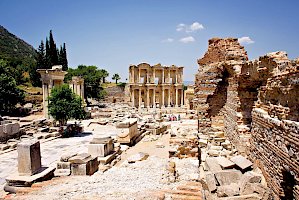
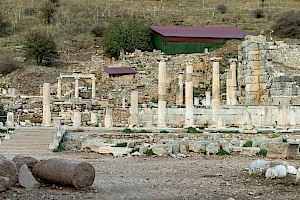
Archaeological excavations in Ephesus have uncovered extensive remains of its aqueducts and baths. These include well-preserved sections of aqueducts, mosaics, statues, and tools that offer insights into their construction and use.
Key Highlights
-
Aqueduct Remains: Sections of the Pollio Aqueduct reveal the advanced engineering techniques employed by Roman builders.
-
Bath Artifacts: Mosaics, inscriptions, and statues found in the baths provide a glimpse into the artistic and cultural sensibilities of the time.
Visiting the Aqueducts and Baths Today
Key Attractions
-
Pollio Aqueduct: Admire the remnants of this engineering marvel and imagine its role in supplying water to the city.
-
Scholastica Baths: Explore the towering columns, frescoed walls, and spacious chambers that evoke the grandeur of ancient Ephesus.
-
Varius Baths: Marvel at the intricate mosaics and decorative elements that highlight the baths' luxurious design.
Practical Tips
-
Best Time to Visit: Spring (April-May) and autumn (September-October) offer pleasant weather and fewer crowds.
-
Guided Tours: Enhance your experience with a knowledgeable guide who can provide historical and cultural context.
-
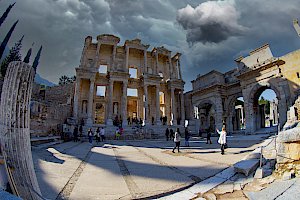
Nearby Attractions: Combine your visit with other landmarks, such as the Library of Celsus and the Great Theatre.
Lessons from the Past
The aqueducts and baths of Ephesus reflect the ingenuity, ambition, and communal spirit of ancient civilizations. They serve as enduring symbols of the city's commitment to public welfare and its ability to harness technology for the benefit of its citizens. These structures remind us of the importance of infrastructure in shaping societies and fostering cultural development.
Conclusion
Exploring the aqueducts and baths of Ephesus offers a fascinating glimpse into the engineering and social achievements of the ancient world. These structures, with their advanced design and cultural significance, highlight the sophistication of Roman urban planning and the vibrant community life of Ephesus. Plan your visit to these remarkable sites to connect with the legacy of one of antiquity's most impressive cities and its enduring contributions to human civilization.