
Explore the Ephesus Archaeological Site, a treasure trove of ancient ruins and historical landmarks. Learn essential tips for visiting this iconic site in Turkey. The Ephesus Archaeological Site, located near Selçuk, Turkey, is one of the best-preserved ancient cities in the Mediterranean and a UNESCO World Heritage Site. This sprawling complex features the remnants of a once-thriving city that played a key role in Greek, Roman, and early Christian history. If you’re planning a visit, here’s everything you need to know about the highlights, practical tips, and the historical significance of this must-see destination.
A Brief History of Ephesus
Ephesus was originally founded by Greek settlers in the 10th century BCE and later became one of the Roman Empire’s most important cities. With its strategic location on the Aegean coast, Ephesus prospered as a center for trade, culture, and religion. The city was home to the magnificent Temple of Artemis, one of the Seven Wonders of the Ancient World, as well as significant Roman structures like the Library of Celsus and the Great Theatre. Ephesus remained an influential city throughout the early Christian period and is mentioned several times in the New Testament. However, over the centuries, the city declined due to a combination of factors, including the silting of its harbor, earthquakes, and changing trade routes. By the 15th century, Ephesus was abandoned, left to be rediscovered through archaeology.
Must-See Highlights at the Ephesus Archaeological Site
1. The Library of Celsus
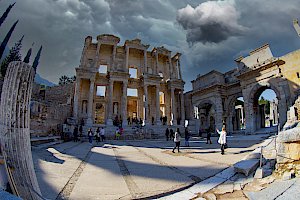
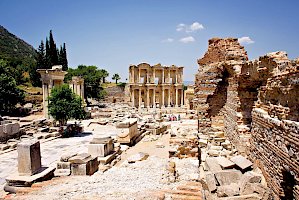
Built in honor of Tiberius Julius Celsus Polemaeanus, the Library of Celsus is one of Ephesus’s most iconic landmarks. This Roman-era library once held over 12,000 scrolls and was an important center for knowledge and learning. The grand façade, with its towering columns and statues representing wisdom, knowledge, and virtue, has been meticulously restored, offering visitors a glimpse of ancient architectural splendor.
2. The Great Theatre
Carved into the slopes of Mount Pion, the Great Theatre is an awe-inspiring structure that could seat up to 25,000 spectators. This massive theatre was used for a variety of events, from theatrical performances to gladiatorial contests. It is also famously associated with the Apostle Paul, who preached to the people of Ephesus here, as noted in the Book of Acts.
3. The Temple of Artemis
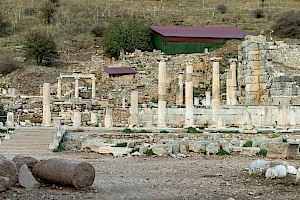
Although only a few columns remain, the Temple of Artemis was once one of the Seven Wonders of the Ancient World. Dedicated to the goddess of the hunt and fertility, the temple was a major pilgrimage site. Today, the remaining ruins provide a fascinating insight into the scale and grandeur of this ancient structure.
4. The Terrace Houses
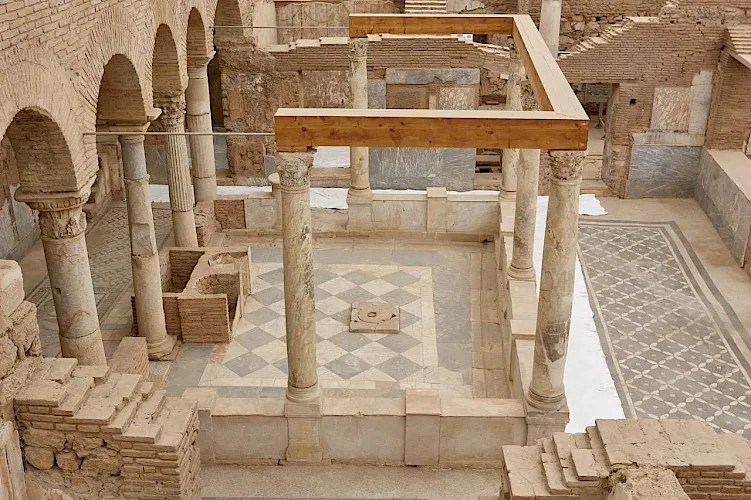
For a look into the daily lives of Ephesus’s wealthy citizens, the Terrace Houses are a must-see. Often referred to as the “houses of the rich,” these multi-story residences feature beautiful mosaics, frescoes, and an advanced heating system. The ongoing excavation work continues to uncover artifacts and artwork, showcasing the luxurious lifestyle of Ephesus’s elite.
5. The Marble Streets
The Curetes Street and Marble Street are lined with remnants of columns, statues, and mosaics that speak to the city’s former grandeur. As you walk these streets, you’ll pass by fountains, temples, and public buildings that were integral to the daily lives of the city’s residents. Look out for the Fountain of Trajan, which once provided water to the people of Ephesus.
6. The Agora
Ephesus’s agoras—the State Agora and the Commercial Agora—served as bustling marketplaces where people gathered to trade goods and conduct business. The Commercial Agora, located near the harbor, was a central hub for commerce, while the State Agora was used for official government functions.
Practical Tips for Visiting Ephesus
1. Getting There
Ephesus is located near the modern town of Selçuk, approximately an hour's drive from Izmir. You can reach Ephesus by car, bus, or train from Izmir or take a guided tour that includes transportation. If you’re coming from Kusadasi, a popular cruise port, Ephesus is a short 30-minute drive away.
2. Best Time to Visit
The best time to visit Ephesus is during the spring (April-May) and fall (September-October), when the weather is mild and comfortable. Summers can be extremely hot, with temperatures often reaching over 35°C (95°F), so plan accordingly if visiting during this period. Visiting in the early morning or late afternoon can also help you avoid the midday heat and large crowds.
3. Entry Fees and Opening Hours
Ephesus is open year-round, with summer hours typically from 8:00 AM to 7:00 PM and winter hours from 8:00 AM to 5:00 PM. Entry fees are required, and additional fees apply if you wish to visit the Terrace Houses. It's recommended to check the latest ticket prices and opening hours on official tourism websites before your visit.
4. Guided Tours
To fully appreciate the history and significance of Ephesus, consider joining a guided tour. Knowledgeable guides can provide fascinating insights into the city’s landmarks, architecture, and ancient culture. Book a tour through ephesustours.biz for a comprehensive exploration of the archaeological site.
5. What to Bring
- Comfortable Walking Shoes: Ephesus covers a large area with uneven marble streets, so sturdy shoes are a must.
- Water and Sun Protection: The site is open and exposed, with limited shade. Bring water, sunscreen, a hat, and sunglasses to stay hydrated and protected from the sun.
- Camera: Ephesus offers numerous photo opportunities, from the towering Library of Celsus to the panoramic views from the Great Theatre.
The Significance of Ephesus in Ancient History
Ephesus was a city that held cultural, religious, and economic importance in the ancient world. It was home to one of the largest libraries of its time, a theater that hosted thousands, and temples that drew worshippers from far and wide. The city's strategic location on the Aegean Sea made it a hub for trade, linking Asia with the Mediterranean. The city also played a prominent role in early Christianity. It is mentioned multiple times in the New Testament, and it was here that the Apostle Paul spent several years preaching. Ephesus is even associated with St. John the Apostle and is believed to be the final home of Mary, the mother of Jesus, who, according to tradition, lived in Ephesus after Jesus’s crucifixion. This connection has made Ephesus a significant site for Christian pilgrims, as well as historians.
Ongoing Archaeological Excavations
Archaeological work in Ephesus is ongoing, with new discoveries being made regularly. Current projects include the excavation of residential areas, public buildings, and early Christian sites. Techniques such as 3D scanning and ground-penetrating radar have made it possible to uncover previously hidden structures, revealing more about Ephesus's ancient urban planning and lifestyle. Significant recent finds include parts of the Temple of Hadrian, the Prytaneion (town hall), and public baths. These discoveries continue to enhance our understanding of life in ancient Ephesus and its influence on the region.
Nearby Sites to Explore
In addition to the main archaeological site, there are several nearby attractions worth visiting:
- The Basilica of St. John: Located on Ayasoluk Hill in Selçuk, this basilica marks the traditional burial site of St. John the Apostle.
- The House of the Virgin Mary: A short drive from Ephesus, this site is a popular pilgrimage destination, believed to be the last home of the Virgin Mary. Find more information on virginmaryhouse.com.
- The Ephesus Museum: Located in Selçuk, the Ephesus Museum houses many of the artifacts discovered at the archaeological site, including statues, mosaics, and ancient household items.
Conclusion
Visiting the Ephesus Archaeological Site is a journey back in time, offering a unique opportunity to explore one of the world’s most historically rich cities. From the impressive ruins of the Library of Celsus to the monumental Great Theatre, Ephesus is a place where ancient history comes to life. Whether you’re a history enthusiast, a spiritual seeker, or simply a curious traveler, Ephesus provides an unforgettable experience that leaves a lasting impression.