

Introduction
Begin with an overview of the Agora in Ephesus, describing it as the center of economic activity in the city. Explain how the Agora was more than a marketplace; it was a space where social and political interactions occurred, making it the heart of ancient Ephesus.
The Role of the Agora in Ancient Ephesus
Discuss the Agora’s dual purpose as both a marketplace and a civic center. Highlight its significance as a place where merchants and traders gathered to buy and sell goods, and where citizens engaged in political discussions and public gatherings.
Architectural Layout and Design
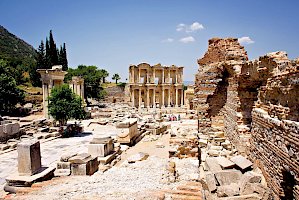
Describe the architectural layout of the Agora, with its open central area surrounded by colonnades, shops, and administrative buildings. Mention the archaeological evidence of structures such as fountains, statues, and altars, which reflect the Agora’s importance in Ephesus’ daily life.
Trade and Commerce at the Agora
Explain the types of goods that were traded at the Agora, including spices, textiles, pottery, and precious metals. Describe how Ephesus' strategic location along trade routes made the Agora a hub for merchants from all over the Mediterranean. Highlight findings such as coins, scales, and merchant records that provide insights into the ancient economy.
The Social and Political Functions of the Agora
Explore how the Agora served as a social and political gathering place, where citizens of Ephesus met to discuss civic matters, attend public events, and participate in festivals. Mention the discovery of inscriptions and statues that depict political leaders and public figures, reflecting the Agora’s role in shaping public life.
Religious Influence in the Agora
Discuss the religious elements within the Agora, including small shrines and altars dedicated to various gods. Explain how religious ceremonies and festivals were held here, reflecting the blending of commerce and spiritual practices in Ephesus.
Archaeological Discoveries at the Agora
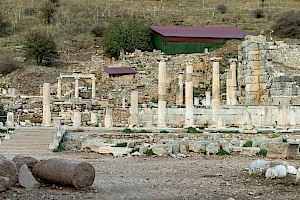
Detail key archaeological discoveries from the Agora, such as pottery fragments, coins, and inscriptions. Mention the preservation of architectural elements like marble floors, columns, and decorative reliefs that showcase the Agora’s grandeur.
Visiting the Agora Today
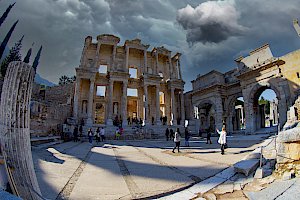
Provide information for visitors who wish to explore the remains of the Agora in Ephesus. Describe what they can expect to see, including the foundations of shops and colonnades, which help bring the ancient marketplace to life.
Conclusion
Conclude by reflecting on the Agora's role as a central space that defined the commercial, social, and political fabric of Ephesus. Emphasize how the Agora stands as a testament to the city’s prosperity and its place in ancient history.