

Acts 19 and the Spiritual Transformation of Ephesus
Introduction
Introduce Acts 19 as a chapter in the Bible that recounts Paul’s time in Ephesus, a city known for its devotion to paganism and magical practices. Explain that Paul’s teachings had a profound impact on Ephesus, leading to a spiritual transformation that saw many turn away from their former beliefs and embrace Christianity.
The Religious Landscape of Ephesus
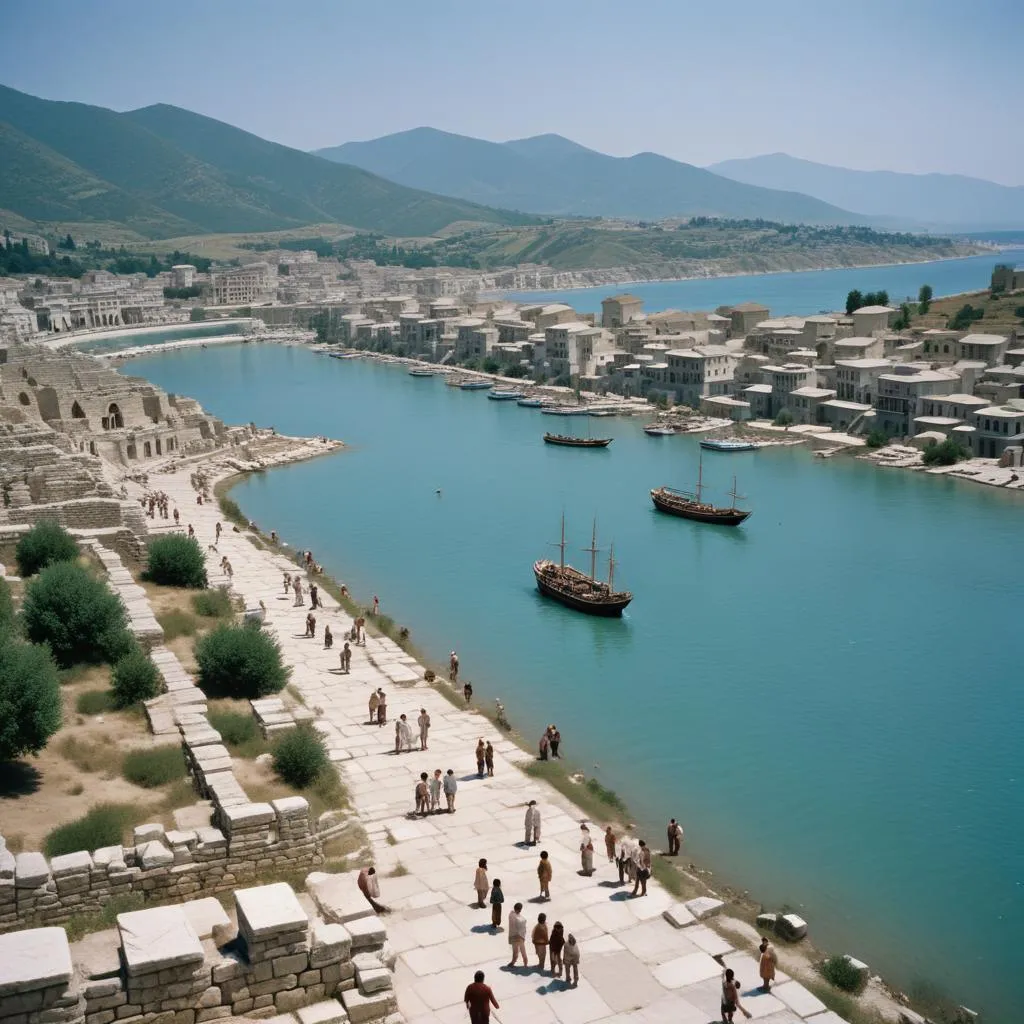
Describe Ephesus as a major cultural and religious center in the Roman Empire, renowned for the Temple of Artemis and its rich tradition of magic and rituals. Explain that Ephesus was a city where paganism thrived, and its people were deeply attached to their religious practices.
- The Temple of Artemis: Highlight the significance of the Temple of Artemis, one of the Seven Wonders of the Ancient World, and its role as the spiritual heart of Ephesus.
- Magic and Superstition: Explain that magical practices were widespread in Ephesus, with spells, incantations, and rituals forming an important part of the city’s spiritual life.
Paul’s Missionary Work in Ephesus
Outline Paul’s missionary activities in Ephesus, as described in Acts 19, where he preached the message of Christianity, performed miracles, and attracted followers. Explain that his presence in the city sparked interest and controversy as he introduced a new faith that directly challenged the established religious beliefs.
- Preaching in the Synagogue and Public Spaces: Describe how Paul began by teaching in the synagogue, where he discussed the kingdom of God and sought to convert both Jews and Greeks.
- Miracles and Spiritual Authority: Discuss the miracles attributed to Paul, including healings and exorcisms, which demonstrated his spiritual authority and distinguished his teachings from the magical practices common in Ephesus.
The Transformation: Acts 19 and the Rejection of Pagan Practices
Analyze how Paul’s teachings led many Ephesians to abandon their magical practices and pagan beliefs. Explain that Acts 19 recounts a dramatic turning point, where new believers burned their books of magic as a public declaration of their commitment to Christianity.
- Mass Burning of Magical Scrolls: Describe the event where converted Ephesians burned their scrolls and books of spells, symbolizing a renunciation of their former practices and a dedication to their newfound faith.
- Challenge to the Worship of Artemis: Discuss the impact of Paul’s teachings on the worship of Artemis, which led to a confrontation with local craftsmen who made a living crafting idols of the goddess.
The Riot in Ephesus: A Turning Point
Detail the events of the riot incited by the silversmith Demetrius, who saw Paul’s message as a threat to the cult of Artemis and his business. Explain how the riot underscored the growing influence of Christianity in Ephesus and the resistance it faced from those invested in traditional religious practices.
- Economic and Spiritual Conflict: Reflect on how Paul’s teachings not only challenged spiritual beliefs but also affected the local economy, which relied heavily on the sale of religious artifacts.
- Resolution and Aftermath: Describe how the town clerk eventually calmed the riot, allowing Paul and his followers to continue spreading their message, further strengthening the Christian community in Ephesus.
The Long-Term Impact of Spiritual Transformation in Ephesus
Discuss the long-term effects of Paul’s influence in Ephesus, where his teachings laid the groundwork for a strong Christian community. Explain that Ephesus became an important center for early Christian theology and missionary work, hosting significant councils and theological debates in the centuries that followed.
- Establishment of the Ephesian Church: Describe how the events in Acts 19 contributed to the formation of a committed Christian community, which grew and flourished in the years after Paul’s visit.
- Legacy in Christian History: Reflect on how Ephesus continued to play a vital role in the spread of Christianity, eventually becoming a key site for early church councils and theological developments.
Conclusion
Conclude by highlighting the significance of the spiritual transformation described in Acts 19, where Paul’s teachings led Ephesus from a city of paganism and magic to a stronghold of Christianity. Encourage readers to reflect on the enduring impact of this transformation and the power of faith to reshape entire communities.
External Link Suggestion:
Link to the Wikipedia page on Acts 19 for further reading on the events and their historical context.
Historical Background
The history of Acts 19 and the Spiritual Transformation of Ephesus dates back to the early days of Ephesus. Archaeological evidence suggests that this aspect of Ephesian life played a crucial role in shaping the city's development and cultural identity.
Archaeological Discoveries
Recent excavations have unveiled remarkable findings related to Acts 19 and the Spiritual Transformation of Ephesus. These discoveries provide valuable insights into how this aspect of Ephesian life evolved over time.
Cultural Significance
Understanding Acts 19 and the Spiritual Transformation of Ephesus is crucial for appreciating the broader cultural context of ancient Ephesus. Its influence extended beyond the city walls, impacting trade, religion, and daily life.
Visitor Information
Today, visitors to Ephesus can explore the remnants of Acts 19 and the Spiritual Transformation of Ephesus firsthand. This section provides practical information for making the most of your visit.
Preservation and Future
Ongoing conservation efforts ensure that Acts 19 and the Spiritual Transformation of Ephesus remains preserved for future generations. Learn about the challenges and successes in maintaining this important historical site.
Frequently Asked Questions
What is the historical significance of Acts 19 and the Spiritual Transformation of Ephesus?
The Acts 19 and the Spiritual Transformation of Ephesus holds great historical importance in ancient Ephesus, providing valuable insights into the city's cultural and social development.
What can visitors see related to Acts 19 and the Spiritual Transformation of Ephesus today?
Visitors to Ephesus can explore well-preserved remains and artifacts related to Acts 19 and the Spiritual Transformation of Ephesus, offering a glimpse into the ancient world.
When is the best time to visit Acts 19 and the Spiritual Transformation of Ephesus?
The best time to visit is during the spring (April-May) or autumn (September-October) when the weather is mild and crowds are smaller.
Frequently Asked Questions
What is the historical significance of Acts 19 and the Spiritual Transformation of Ephesus?
The Acts 19 and the Spiritual Transformation of Ephesus holds great historical importance in ancient Ephesus, providing valuable insights into the city's cultural and social development.
What can visitors see related to Acts 19 and the Spiritual Transformation of Ephesus today?
Visitors to Ephesus can explore well-preserved remains and artifacts related to Acts 19 and the Spiritual Transformation of Ephesus, offering a glimpse into the ancient world.
When is the best time to visit Acts 19 and the Spiritual Transformation of Ephesus?
The best time to visit is during the spring (April-May) or autumn (September-October) when the weather is mild and crowds are smaller.
Frequently Asked Questions
What is the historical significance of Acts 19 and the Spiritual Transformation of Ephesus?
The Acts 19 and the Spiritual Transformation of Ephesus holds great historical importance in ancient Ephesus, providing valuable insights into the city's cultural and social development.
What can visitors see related to Acts 19 and the Spiritual Transformation of Ephesus today?
Visitors to Ephesus can explore well-preserved remains and artifacts related to Acts 19 and the Spiritual Transformation of Ephesus, offering a glimpse into the ancient world.
When is the best time to visit Acts 19 and the Spiritual Transformation of Ephesus?
The best time to visit is during the spring (April-May) or autumn (September-October) when the weather is mild and crowds are smaller.