
Ephesians and Early Christianity: Paul’s Message to the...
Introduction
Introduce the Book of Ephesians as one of Paul’s letters to the early Christian communities. Explain that Ephesus was a major center for early Christianity, and Paul’s letter provided guidance and encouragement to help believers deepen their faith and live according to Christian values.
Historical Context of Ephesus in Paul’s Time
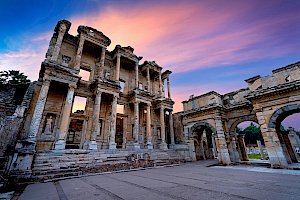
Describe the city of Ephesus during the 1st century, highlighting its significance as a major Roman city and a hub for trade, culture, and religion. Explain that Ephesus had a diverse population, including a growing Christian community that faced various challenges.
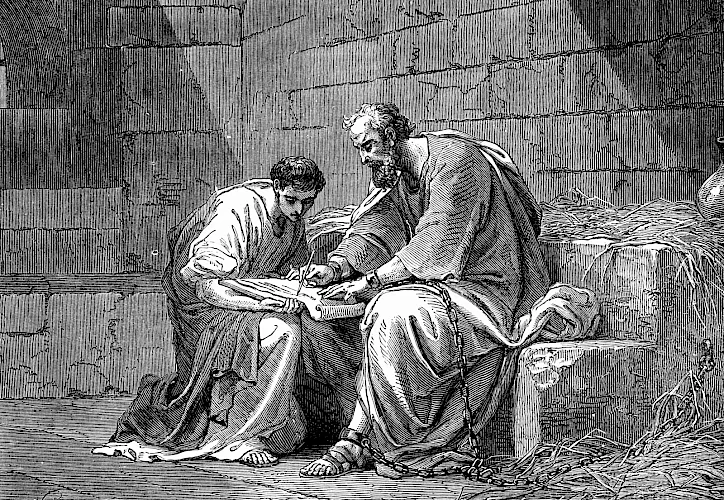
- Paul’s Connection to Ephesus: Discuss Paul’s missionary journeys and his time spent in Ephesus, as mentioned in the Book of Acts. Explain how he established a church in Ephesus and maintained a strong relationship with its members.
- Challenges Facing Early Christians: Mention the social and religious challenges that early Christians in Ephesus encountered, including conflicts with pagan beliefs and Roman authority.
Key Themes of the Book of Ephesians
Explore the main themes Paul addressed in his letter, including unity, faith, grace, and living a life of love. Explain how these themes were intended to encourage the believers in Ephesus and provide guidance on how to live as followers of Christ.
- Unity in the Church: Describe how Paul emphasized the importance of unity among believers, urging them to come together as one body in Christ, regardless of their background.
- Grace and Salvation: Explain Paul’s teachings on grace as a gift from God, emphasizing that salvation is achieved through faith rather than personal achievements or adherence to the law.
- Living a Holy Life: Discuss Paul’s call for the Ephesians to lead a life that reflects Christian virtues, including love, humility, and forgiveness, as part of their witness to others.
Paul’s Practical Guidance for Daily Living
Outline the practical advice Paul provides in Ephesians on relationships, behavior, and spiritual resilience. Explain how he encourages believers to uphold their faith in their everyday actions.
- Relationships and Family Life: Summarize Paul’s guidance on relationships within families, including advice for husbands, wives, children, and servants, which reflects the values of mutual respect and love.
- Spiritual Armor: Describe Paul’s famous metaphor of the “armor of God” in Ephesians 6:10-18, which teaches believers to rely on spiritual tools such as faith, righteousness, and prayer to face challenges.
The Influence of Ephesians on Early Christianity
Discuss how Paul’s message to the Ephesians helped shape early Christian thought and practices. Explain that the Book of Ephesians laid a foundation for Christian doctrine on topics like grace, unity, and the role of the church in believers’ lives.
- Impact on Christian Beliefs: Explain how the teachings in Ephesians influenced Christian theology and became central to understanding concepts like salvation and the church as the body of Christ.
- Legacy in Christian Worship: Describe how the themes of Ephesians continue to inspire Christian worship, sermons, and teachings, making it a foundational text in the New Testament.
Conclusion
Conclude by reflecting on the timeless relevance of Paul’s message to the Ephesians. Emphasize how his teachings on unity, grace, and spiritual growth continue to resonate with Christians today, offering guidance for living a life rooted in faith.
External Link Suggestion:
Link to the Wikipedia page on the Book of Ephesians for further reading on its themes and significance.
Historical Background
The history of Ephesians and Early Christianity: Paul’s Message to the... dates back to the early days of Ephesus. Archaeological evidence suggests that this aspect of Ephesian life played a crucial role in shaping the city's development and cultural identity.
Archaeological Discoveries
Recent excavations have unveiled remarkable findings related to Ephesians and Early Christianity: Paul’s Message to the.... These discoveries provide valuable insights into how this aspect of Ephesian life evolved over time.
Cultural Significance
Understanding Ephesians and Early Christianity: Paul’s Message to the... is crucial for appreciating the broader cultural context of ancient Ephesus. Its influence extended beyond the city walls, impacting trade, religion, and daily life.
Visitor Information
Today, visitors to Ephesus can explore the remnants of Ephesians and Early Christianity: Paul’s Message to the... firsthand. This section provides practical information for making the most of your visit.
Preservation and Future
Ongoing conservation efforts ensure that Ephesians and Early Christianity: Paul’s Message to the... remains preserved for future generations. Learn about the challenges and successes in maintaining this important historical site.
Frequently Asked Questions
What is the historical significance of Ephesians and Early Christianity: Paul’s Message to the...?
The Ephesians and Early Christianity: Paul’s Message to the... holds great historical importance in ancient Ephesus, providing valuable insights into the city's cultural and social development.
What can visitors see related to Ephesians and Early Christianity: Paul’s Message to the... today?
Visitors to Ephesus can explore well-preserved remains and artifacts related to Ephesians and Early Christianity: Paul’s Message to the..., offering a glimpse into the ancient world.
When is the best time to visit Ephesians and Early Christianity: Paul’s Message to the...?
The best time to visit is during the spring (April-May) or autumn (September-October) when the weather is mild and crowds are smaller.
Frequently Asked Questions
What is the historical significance of Ephesians and Early Christianity: Paul’s Message to the...?
The Ephesians and Early Christianity: Paul’s Message to the... holds great historical importance in ancient Ephesus, providing valuable insights into the city's cultural and social development.
What can visitors see related to Ephesians and Early Christianity: Paul’s Message to the... today?
Visitors to Ephesus can explore well-preserved remains and artifacts related to Ephesians and Early Christianity: Paul’s Message to the..., offering a glimpse into the ancient world.
When is the best time to visit Ephesians and Early Christianity: Paul’s Message to the...?
The best time to visit is during the spring (April-May) or autumn (September-October) when the weather is mild and crowds are smaller.
Frequently Asked Questions
What is the historical significance of Ephesians and Early Christianity: Paul’s Message to the...?
The Ephesians and Early Christianity: Paul’s Message to the... holds great historical importance in ancient Ephesus, providing valuable insights into the city's cultural and social development.
What can visitors see related to Ephesians and Early Christianity: Paul’s Message to the... today?
Visitors to Ephesus can explore well-preserved remains and artifacts related to Ephesians and Early Christianity: Paul’s Message to the..., offering a glimpse into the ancient world.
When is the best time to visit Ephesians and Early Christianity: Paul’s Message to the...?
The best time to visit is during the spring (April-May) or autumn (September-October) when the weather is mild and crowds are smaller.