

Exploring Ephesus’ Agora: Ancient Markets and Meeting P...
Introduction
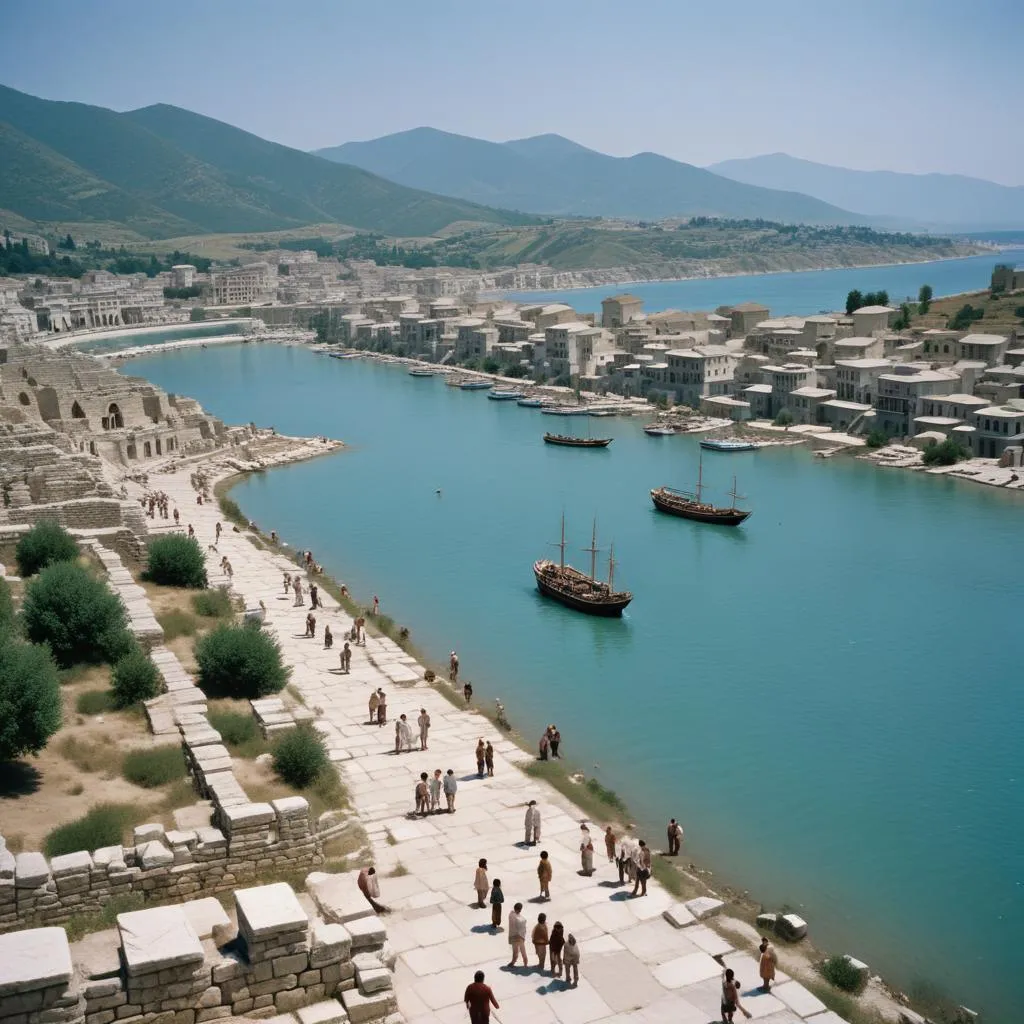
Introduce the Agora of Ephesus as the heart of ancient public life, serving as a marketplace and a civic center. Explain how the Agora played a central role in Ephesus’ economy, social life, and political activities.
The Role of the Agora in Ephesus
Describe the dual role of the Agora as both a commercial hub and a gathering place for the people of Ephesus. Highlight its significance as a space where merchants sold goods, artisans displayed crafts, and citizens met to discuss public matters.
Marketplaces and Trade in the Agora
Discuss the marketplace aspect of the Agora, where vendors sold a variety of goods, including spices, textiles, pottery, and food items. Explain how Ephesus' location as a coastal city connected it to trade routes across the Mediterranean, making the Agora a thriving center for commerce.
- Types of Goods Sold: Detail the variety of items traded in the Agora, emphasizing the diversity of products that reflected Ephesus' prosperity.
- Trade Networks: Mention Ephesus' connections to other cities and trade routes, which contributed to the Agora’s role as a bustling economic hub.
The Civic Functions of the Agora
Describe the Agora's function as a place for civic gatherings, where citizens came to discuss political issues, attend public speeches, and participate in community events. Explain how the Agora was not just a marketplace but also a space for fostering civic pride and participation.
- Political Assemblies: Mention the use of the Agora for public announcements and gatherings where Ephesians discussed local governance and civic issues.
- Cultural Festivals and Events: Describe the role of the Agora as a venue for festivals, performances, and religious ceremonies that brought the community together.
Architectural Layout and Design
Detail the architectural features of the Agora, including open spaces, colonnades, and surrounding administrative buildings. Mention the design elements that facilitated its use as a market and gathering place, such as wide walkways and areas for public seating.
- Colonnades and Shops: Describe the colonnades that lined the Agora, providing space for shops and shelter for vendors and patrons.
- Inscriptions and Monuments: Highlight any inscriptions or monuments that have been discovered, which offer insights into the people and events celebrated in the Agora.
Archaeological Discoveries in the Agora
Discuss key archaeological finds from excavations at the Agora, such as pottery, coins, and inscriptions. Explain how these artifacts contribute to our understanding of the daily life, economic activities, and civic functions in ancient Ephesus.
Visiting the Agora Today
Provide information for visitors interested in exploring the remains of the Agora. Describe what can be seen today, such as the foundations of colonnades, remnants of shops, and open areas that reflect its past as a vibrant public space.
Conclusion
Conclude by reflecting on the Agora's importance as a cornerstone of ancient Ephesus, where commerce, politics, and social life converged. Emphasize how the Agora continues to capture the essence of Ephesus’ cultural and economic vitality.
External Link Suggestion:
Link to the Wikipedia page on Ephesus for additional background on the Agora and its historical context.
Historical Background
The history of Exploring Ephesus’ Agora: Ancient Markets and Meeting P... dates back to the early days of Ephesus. Archaeological evidence suggests that this aspect of Ephesian life played a crucial role in shaping the city's development and cultural identity.
Cultural Significance
Understanding Exploring Ephesus’ Agora: Ancient Markets and Meeting P... is crucial for appreciating the broader cultural context of ancient Ephesus. Its influence extended beyond the city walls, impacting trade, religion, and daily life.
Visitor Information
Today, visitors to Ephesus can explore the remnants of Exploring Ephesus’ Agora: Ancient Markets and Meeting P... firsthand. This section provides practical information for making the most of your visit.
Preservation and Future
Ongoing conservation efforts ensure that Exploring Ephesus’ Agora: Ancient Markets and Meeting P... remains preserved for future generations. Learn about the challenges and successes in maintaining this important historical site.
Frequently Asked Questions
What is the historical significance of Exploring Ephesus’ Agora: Ancient Markets and Meeting P...?
The Exploring Ephesus’ Agora: Ancient Markets and Meeting P... holds great historical importance in ancient Ephesus, providing valuable insights into the city's cultural and social development.
What can visitors see related to Exploring Ephesus’ Agora: Ancient Markets and Meeting P... today?
Visitors to Ephesus can explore well-preserved remains and artifacts related to Exploring Ephesus’ Agora: Ancient Markets and Meeting P..., offering a glimpse into the ancient world.
When is the best time to visit Exploring Ephesus’ Agora: Ancient Markets and Meeting P...?
The best time to visit is during the spring (April-May) or autumn (September-October) when the weather is mild and crowds are smaller.
Frequently Asked Questions
What is the historical significance of Exploring Ephesus’ Agora: Ancient Markets and Meeting P...?
The Exploring Ephesus’ Agora: Ancient Markets and Meeting P... holds great historical importance in ancient Ephesus, providing valuable insights into the city's cultural and social development.
What can visitors see related to Exploring Ephesus’ Agora: Ancient Markets and Meeting P... today?
Visitors to Ephesus can explore well-preserved remains and artifacts related to Exploring Ephesus’ Agora: Ancient Markets and Meeting P..., offering a glimpse into the ancient world.
When is the best time to visit Exploring Ephesus’ Agora: Ancient Markets and Meeting P...?
The best time to visit is during the spring (April-May) or autumn (September-October) when the weather is mild and crowds are smaller.
Frequently Asked Questions
What is the historical significance of Exploring Ephesus’ Agora: Ancient Markets and Meeting P...?
The Exploring Ephesus’ Agora: Ancient Markets and Meeting P... holds great historical importance in ancient Ephesus, providing valuable insights into the city's cultural and social development.
What can visitors see related to Exploring Ephesus’ Agora: Ancient Markets and Meeting P... today?
Visitors to Ephesus can explore well-preserved remains and artifacts related to Exploring Ephesus’ Agora: Ancient Markets and Meeting P..., offering a glimpse into the ancient world.
When is the best time to visit Exploring Ephesus’ Agora: Ancient Markets and Meeting P...?
The best time to visit is during the spring (April-May) or autumn (September-October) when the weather is mild and crowds are smaller.