
How the Book of Ephesians Shaped Early Christian Beliefs ...
Introduction
Introduce the Book of Ephesians as a foundational text that significantly influenced the early Christian community in Ephesus. Explain that Paul’s teachings provided guidance on key beliefs such as unity, grace, and living a life of faith, which helped shape the identity and practices of the early church.
The Context of Ephesus and the Early Church
Describe Ephesus as a major city in the Roman Empire with a thriving Christian community. Explain that Paul spent considerable time in Ephesus, building relationships with believers, and later wrote this letter to address the challenges they faced in maintaining their faith amidst a diverse cultural landscape.
- Paul’s Missionary Work in Ephesus: Briefly discuss Paul’s efforts to establish the church in Ephesus, as recorded in the Book of Acts, and his ongoing influence on the community through his epistles.
- Purpose of the Epistle: Mention that Paul’s letter aimed to reinforce the beliefs of the Ephesian Christians, providing them with a framework for spiritual growth and unity.
Theological Foundations: Grace and Salvation by Faith
Explore how Paul’s teachings on grace and salvation shaped early Christian beliefs in Ephesus. Explain that Paul emphasized salvation as a gift from God, received through faith, which became a cornerstone of Christian doctrine.
- Grace as Central to Faith: Describe how Paul taught that salvation is achieved through grace, not by human effort, which encouraged the Ephesians to rely on God’s love and mercy.
- Implications for Christian Doctrine: Explain how this teaching reinforced the belief that faith in Christ is essential for salvation, a concept that would become fundamental to Christian theology.
Unity in the Church: The Body of Christ
Analyze Paul’s vision of the church as the body of Christ, a message that promoted unity among the Ephesian Christians. Explain how this teaching encouraged believers to work together, supporting one another in their spiritual journey.
- The Church as One Body: Describe Paul’s analogy, where each member of the church has a unique role but is united in purpose and faith, reflecting the strength of a cohesive community.
- Impact on Early Christian Community: Discuss how this teaching helped create a sense of belonging and mutual responsibility among the Ephesians, shaping the church’s communal identity.
Ethical and Moral Guidance for Christian Living
Outline Paul’s guidance on living a life that reflects Christian values, including honesty, kindness, and humility. Explain how this practical advice provided a moral framework for the Ephesian church, helping members to live out their faith in their daily lives.
- Living in Truth and Righteousness: Summarize Paul’s instructions on moral conduct, which encouraged the Ephesians to embrace virtues such as truthfulness and integrity.
- Influence on Christian Behavior: Describe how these teachings helped shape the ethical standards of the early church, fostering a reputation for compassion and integrity in the broader community.
Spiritual Resilience: The Armor of God
Discuss Paul’s metaphor of the “armor of God” in Ephesians 6:10-18, which provided the Ephesians with spiritual tools for strength and protection. Explain how this teaching inspired the early Christians to remain steadfast in their faith despite challenges and opposition.
- The Armor of God: Detail the components of the armor, such as the belt of truth and the shield of faith, and their symbolic significance for spiritual resilience.
- Encouragement for the Early Church: Explain how this metaphor gave the Ephesians a framework for spiritual endurance, helping them to stay committed to their beliefs in the face of adversity.
Legacy of Ephesians in Early Christian Belief
Reflect on how the themes in Ephesians influenced the development of Christian doctrine and practices in the early church. Explain that Paul’s teachings on grace, unity, and righteous living became foundational aspects of Christian belief that have endured through the centuries.
- Impact on Christian Theology: Describe how the teachings in Ephesians shaped key theological concepts, such as the importance of grace and the unity of the church.
- Enduring Influence on Christian Faith: Reflect on how the Book of Ephesians continues to inspire Christians today, providing timeless guidance for living in faith and community.
Conclusion
Conclude by emphasizing the significance of the Book of Ephesians in shaping early Christian beliefs in Ephesus. Encourage readers to consider how Paul’s teachings can continue to inspire unity, faith, and resilience in their own spiritual journeys.
External Link Suggestion:
Link to the Wikipedia page on the Book of Ephesians for additional context on its themes and historical significance.
Historical Background
The history of How the Book of Ephesians Shaped Early Christian Beliefs ... dates back to the early days of Ephesus. Archaeological evidence suggests that this aspect of Ephesian life played a crucial role in shaping the city's development and cultural identity.
Archaeological Discoveries
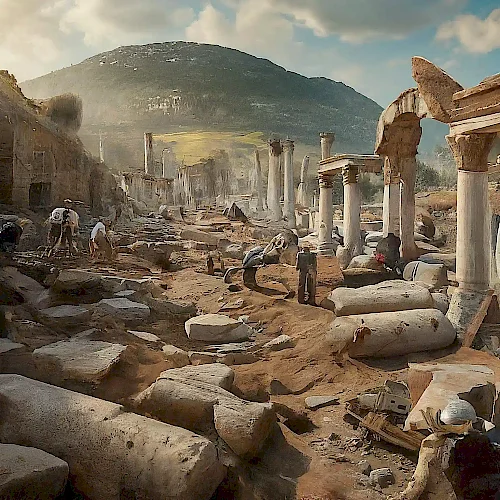
Recent excavations have unveiled remarkable findings related to How the Book of Ephesians Shaped Early Christian Beliefs .... These discoveries provide valuable insights into how this aspect of Ephesian life evolved over time.
Cultural Significance
Understanding How the Book of Ephesians Shaped Early Christian Beliefs ... is crucial for appreciating the broader cultural context of ancient Ephesus. Its influence extended beyond the city walls, impacting trade, religion, and daily life.
Visitor Information
Today, visitors to Ephesus can explore the remnants of How the Book of Ephesians Shaped Early Christian Beliefs ... firsthand. This section provides practical information for making the most of your visit.
Preservation and Future
Ongoing conservation efforts ensure that How the Book of Ephesians Shaped Early Christian Beliefs ... remains preserved for future generations. Learn about the challenges and successes in maintaining this important historical site.
Frequently Asked Questions
What is the historical significance of How the Book of Ephesians Shaped Early Christian Beliefs ...?
The How the Book of Ephesians Shaped Early Christian Beliefs ... holds great historical importance in ancient Ephesus, providing valuable insights into the city's cultural and social development.
What can visitors see related to How the Book of Ephesians Shaped Early Christian Beliefs ... today?
Visitors to Ephesus can explore well-preserved remains and artifacts related to How the Book of Ephesians Shaped Early Christian Beliefs ..., offering a glimpse into the ancient world.
When is the best time to visit How the Book of Ephesians Shaped Early Christian Beliefs ...?
The best time to visit is during the spring (April-May) or autumn (September-October) when the weather is mild and crowds are smaller.
Frequently Asked Questions
What is the historical significance of How the Book of Ephesians Shaped Early Christian Beliefs ...?
The How the Book of Ephesians Shaped Early Christian Beliefs ... holds great historical importance in ancient Ephesus, providing valuable insights into the city's cultural and social development.
What can visitors see related to How the Book of Ephesians Shaped Early Christian Beliefs ... today?
Visitors to Ephesus can explore well-preserved remains and artifacts related to How the Book of Ephesians Shaped Early Christian Beliefs ..., offering a glimpse into the ancient world.
When is the best time to visit How the Book of Ephesians Shaped Early Christian Beliefs ...?
The best time to visit is during the spring (April-May) or autumn (September-October) when the weather is mild and crowds are smaller.
Frequently Asked Questions
What is the historical significance of How the Book of Ephesians Shaped Early Christian Beliefs ...?
The How the Book of Ephesians Shaped Early Christian Beliefs ... holds great historical importance in ancient Ephesus, providing valuable insights into the city's cultural and social development.
What can visitors see related to How the Book of Ephesians Shaped Early Christian Beliefs ... today?
Visitors to Ephesus can explore well-preserved remains and artifacts related to How the Book of Ephesians Shaped Early Christian Beliefs ..., offering a glimpse into the ancient world.
When is the best time to visit How the Book of Ephesians Shaped Early Christian Beliefs ...?
The best time to visit is during the spring (April-May) or autumn (September-October) when the weather is mild and crowds are smaller.