
Restoring St. John’s Basilica: Ephesus' Link to Early C...
Introduction
Introduce St. John’s Basilica in Ephesus as a significant Christian heritage site, believed to be built over the tomb of St. John, the beloved disciple. Explain that ongoing restoration efforts aim to preserve this sacred site, which serves as a tangible link to the early Christian church and St. John’s enduring legacy.
Historical Background of St. John’s Basilica
Provide a brief history of St. John’s Basilica, commissioned by the Byzantine Emperor Justinian I in the 6th century. Explain that it was constructed to honor St. John, who is traditionally believed to have spent his final years in Ephesus, leading the early Christian community.
- Emperor Justinian I’s Vision: Describe how Justinian commissioned the basilica to commemorate St. John’s role in spreading Christianity and to reinforce Ephesus’ status as an important center for the faith.
- Architectural Design and Features: Highlight the basilica’s original features, including its cross-shaped layout, large domes, and beautiful mosaics, which reflected the grandeur of Byzantine architecture.
The Importance of St. John’s Basilica in Early Christianity
Explore the role of St. John’s Basilica as a pilgrimage site for early Christians who came to honor the memory of the beloved disciple. Explain that the basilica became a center for worship, theological discussion, and inspiration, drawing believers from across the region.
- Pilgrimage and Veneration: Discuss the significance of St. John’s tomb, located within the basilica, as a place of veneration where pilgrims could reflect on his teachings and legacy.
- A Center of Faith: Describe how the basilica symbolized Ephesus’ importance as a center for Christian thought and helped connect believers to the early church.
Restoration Efforts and Preservation of Christian Heritage
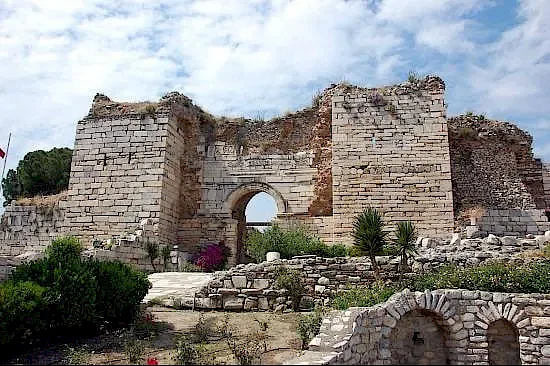
Detail the modern restoration efforts aimed at preserving the basilica’s structure and historical significance. Explain that due to earthquake damage and centuries of exposure, conservationists are working to stabilize the ruins and restore parts of the basilica to prevent further deterioration.
- Challenges of Restoration: Describe the challenges involved in restoring a site as ancient as St. John’s Basilica, including preserving the original materials and protecting the site from environmental damage.
- Restoration Goals: Explain the primary goals of restoration, which include stabilizing the remaining structures, conserving decorative elements, and making the site accessible for visitors and scholars.
The Basilica’s Role in Connecting Visitors to Early Christianity
Reflect on how the restoration of St. John’s Basilica allows modern visitors to connect with early Christianity and the legacy of St. John. Explain that the basilica serves as a reminder of Ephesus’ significance in Christian history and offers a place for reflection, prayer, and learning.
- Educational and Spiritual Significance: Discuss how visitors can learn about early Christian practices, the teachings of St. John, and the development of Christian theology by exploring the basilica.
- A Testament to Faith and Resilience: Describe the basilica as a symbol of the resilience of the early church, surviving centuries of challenges and continuing to inspire believers today.
Conclusion
Conclude by emphasizing the importance of restoring St. John’s Basilica in preserving Ephesus’ link to early Christianity. Encourage readers to consider visiting the site to experience its historical and spiritual significance, and to support ongoing efforts to protect this vital piece of Christian heritage.
External Link Suggestion:
Link to the Wikipedia page on the Basilica of St. John for further reading on its history, architecture, and restoration efforts.
Archaeological Discoveries
Recent excavations have unveiled remarkable findings related to Restoring St. John’s Basilica: Ephesus' Link to Early C.... These discoveries provide valuable insights into how this aspect of Ephesian life evolved over time.
Cultural Significance
Understanding Restoring St. John’s Basilica: Ephesus' Link to Early C... is crucial for appreciating the broader cultural context of ancient Ephesus. Its influence extended beyond the city walls, impacting trade, religion, and daily life.
Visitor Information
Today, visitors to Ephesus can explore the remnants of Restoring St. John’s Basilica: Ephesus' Link to Early C... firsthand. This section provides practical information for making the most of your visit.
Preservation and Future
Ongoing conservation efforts ensure that Restoring St. John’s Basilica: Ephesus' Link to Early C... remains preserved for future generations. Learn about the challenges and successes in maintaining this important historical site.
Frequently Asked Questions
What is the historical significance of Restoring St. John’s Basilica: Ephesus' Link to Early C...?
The Restoring St. John’s Basilica: Ephesus' Link to Early C... holds great historical importance in ancient Ephesus, providing valuable insights into the city's cultural and social development.
What can visitors see related to Restoring St. John’s Basilica: Ephesus' Link to Early C... today?
Visitors to Ephesus can explore well-preserved remains and artifacts related to Restoring St. John’s Basilica: Ephesus' Link to Early C..., offering a glimpse into the ancient world.
When is the best time to visit Restoring St. John’s Basilica: Ephesus' Link to Early C...?
The best time to visit is during the spring (April-May) or autumn (September-October) when the weather is mild and crowds are smaller.
Frequently Asked Questions
What is the historical significance of Restoring St. John’s Basilica: Ephesus' Link to Early C...?
The Restoring St. John’s Basilica: Ephesus' Link to Early C... holds great historical importance in ancient Ephesus, providing valuable insights into the city's cultural and social development.
What can visitors see related to Restoring St. John’s Basilica: Ephesus' Link to Early C... today?
Visitors to Ephesus can explore well-preserved remains and artifacts related to Restoring St. John’s Basilica: Ephesus' Link to Early C..., offering a glimpse into the ancient world.
When is the best time to visit Restoring St. John’s Basilica: Ephesus' Link to Early C...?
The best time to visit is during the spring (April-May) or autumn (September-October) when the weather is mild and crowds are smaller.
Frequently Asked Questions
What is the historical significance of Restoring St. John’s Basilica: Ephesus' Link to Early C...?
The Restoring St. John’s Basilica: Ephesus' Link to Early C... holds great historical importance in ancient Ephesus, providing valuable insights into the city's cultural and social development.
What can visitors see related to Restoring St. John’s Basilica: Ephesus' Link to Early C... today?
Visitors to Ephesus can explore well-preserved remains and artifacts related to Restoring St. John’s Basilica: Ephesus' Link to Early C..., offering a glimpse into the ancient world.
When is the best time to visit Restoring St. John’s Basilica: Ephesus' Link to Early C...?
The best time to visit is during the spring (April-May) or autumn (September-October) when the weather is mild and crowds are smaller.