

The Role of Ephesus in Early Christianity
The Role of Ephesus in Early Christianity: How St. Paul and St. John Shaped the City
The city of Ephesus, located in modern-day Turkey, was one of the most influential cities of the ancient world. It played a significant role not only in commerce and politics but also in the development of early Christianity. Two prominent figures in Christian history, St. Paul and St. John, were closely associated with Ephesus, leaving behind a legacy that shaped both the city and the broader Christian faith.
Where is Ephesus Located?
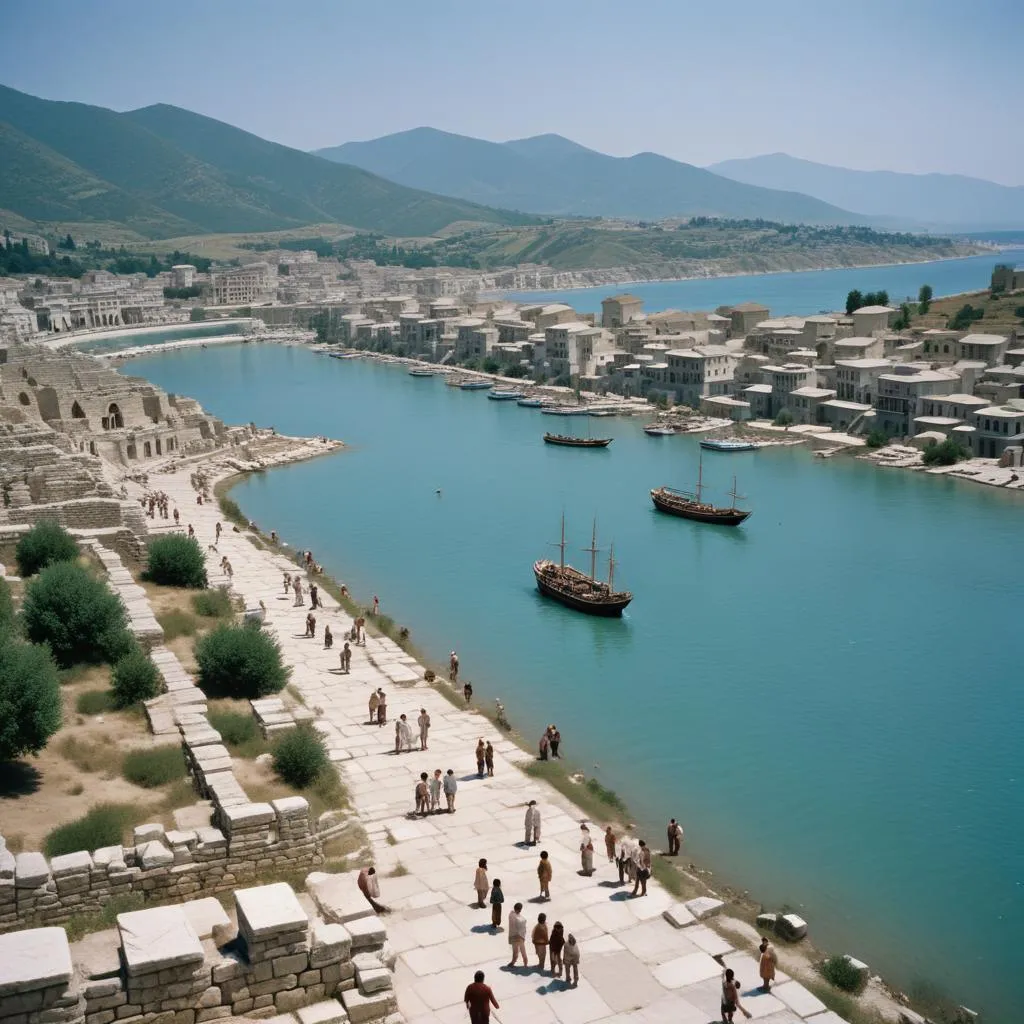
Ephesus is situated near the modern town of Selçuk, in Turkey’s Aegean region. The city was strategically located on the coast, making it a hub for trade in the Roman Empire. However, Ephesus is not only known for its commercial significance—it was also a center of early Christian activity.
Both St. Paul and St. John played crucial roles in spreading Christianity in Ephesus, establishing the city as a key location for the faith during the first century.
St. Paul’s Mission in Ephesus
St. Paul is perhaps the most well-known figure associated with the Christianization of Ephesus. His mission in the city is documented in the Book of Acts. Paul arrived in Ephesus during his third missionary journey and spent around two to three years there, preaching and teaching the gospel. His time in Ephesus is considered one of the most productive periods of his ministry.
One of Paul's key contributions was the founding of a strong Christian community in Ephesus. His efforts were so successful that it caused significant tension with the local silversmiths, who made idols of the goddess Artemis. These artisans, led by Demetrius, saw Paul’s preaching as a threat to their livelihood, resulting in a riot at the city’s Great Theatre.
Paul’s influence in Ephesus is evident from the Epistle to the Ephesians, a letter he wrote to the Christian community in the city. This letter, part of the New Testament, offers guidance on how to live a faithful life and remain united in Christ.
St. John’s Final Years in Ephesus
St. John, one of the twelve apostles of Jesus, is believed to have spent his final years in Ephesus. According to Christian tradition, St. John arrived in the city after the destruction of Jerusalem in 70 AD. He is thought to have lived there for many years, helping to build and strengthen the local Christian community.
One of the most significant aspects of St. John’s connection to Ephesus is his association with the Virgin Mary. It is widely believed that St. John brought Mary to Ephesus after the crucifixion of Jesus. According to Christian tradition, the House of the Virgin Mary, located near Ephesus on Mount Koressos, is where she spent her last days.
St. John’s tomb is located in the Basilica of St. John, built by Emperor Justinian I in the 6th century. This basilica, although in ruins today, remains an important pilgrimage site for Christians visiting Ephesus.
The Spread of Christianity in Ephesus
Ephesus became a key location for the spread of Christianity in Asia Minor. The work of St. Paul and St. John helped establish a strong Christian presence in the city, which later played a crucial role in the Council of Ephesus in 431 AD. This council was one of the most significant events in early Christian history, where the church affirmed the Virgin Mary as the Theotokos, or Mother of God.
The Christian community in Ephesus faced numerous challenges, including opposition from local pagans and the Roman authorities. However, the strong foundations laid by Paul and John allowed Christianity to thrive in the city, making it one of the most important Christian centers of the time.
Conclusion
The city of Ephesus holds a special place in Christian history, thanks to the efforts of St. Paul and St. John. Their work in the city not only spread the message of Christianity but also left a lasting legacy that shaped the early church. From Paul’s passionate preaching to John’s quiet leadership, these two figures helped establish Ephesus as a key center of the Christian faith.
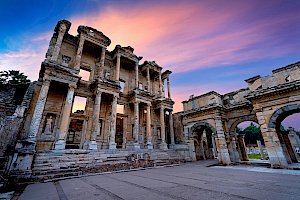
Today, visitors to Ephesus can explore the ruins of this ancient city, including the Great Theatre, the Basilica of St. John, and the House of the Virgin Mary, all of which stand as reminders of Ephesus' role in shaping early Christianity.
External Links for Further Reading
Introduction
Discover the fascinating world of The Role of Ephesus in Early Christianity in ancient Ephesus. This comprehensive guide explores the historical significance, archaeological findings, and cultural impact of this remarkable aspect of Ephesian heritage.
Historical Background
The history of The Role of Ephesus in Early Christianity dates back to the early days of Ephesus. Archaeological evidence suggests that this aspect of Ephesian life played a crucial role in shaping the city's development and cultural identity.
Archaeological Discoveries
Recent excavations have unveiled remarkable findings related to The Role of Ephesus in Early Christianity. These discoveries provide valuable insights into how this aspect of Ephesian life evolved over time.
Cultural Significance
Understanding The Role of Ephesus in Early Christianity is crucial for appreciating the broader cultural context of ancient Ephesus. Its influence extended beyond the city walls, impacting trade, religion, and daily life.
Visitor Information
Today, visitors to Ephesus can explore the remnants of The Role of Ephesus in Early Christianity firsthand. This section provides practical information for making the most of your visit.
Preservation and Future
Ongoing conservation efforts ensure that The Role of Ephesus in Early Christianity remains preserved for future generations. Learn about the challenges and successes in maintaining this important historical site.
Frequently Asked Questions
What is the historical significance of The Role of Ephesus in Early Christianity?
The The Role of Ephesus in Early Christianity holds great historical importance in ancient Ephesus, providing valuable insights into the city's cultural and social development.
What can visitors see related to The Role of Ephesus in Early Christianity today?
Visitors to Ephesus can explore well-preserved remains and artifacts related to The Role of Ephesus in Early Christianity, offering a glimpse into the ancient world.
When is the best time to visit The Role of Ephesus in Early Christianity?
The best time to visit is during the spring (April-May) or autumn (September-October) when the weather is mild and crowds are smaller.
Frequently Asked Questions
What is the historical significance of The Role of Ephesus in Early Christianity?
The The Role of Ephesus in Early Christianity holds great historical importance in ancient Ephesus, providing valuable insights into the city's cultural and social development.
What can visitors see related to The Role of Ephesus in Early Christianity today?
Visitors to Ephesus can explore well-preserved remains and artifacts related to The Role of Ephesus in Early Christianity, offering a glimpse into the ancient world.
When is the best time to visit The Role of Ephesus in Early Christianity?
The best time to visit is during the spring (April-May) or autumn (September-October) when the weather is mild and crowds are smaller.
Frequently Asked Questions
What is the historical significance of The Role of Ephesus in Early Christianity?
The The Role of Ephesus in Early Christianity holds great historical importance in ancient Ephesus, providing valuable insights into the city's cultural and social development.
What can visitors see related to The Role of Ephesus in Early Christianity today?
Visitors to Ephesus can explore well-preserved remains and artifacts related to The Role of Ephesus in Early Christianity, offering a glimpse into the ancient world.
When is the best time to visit The Role of Ephesus in Early Christianity?
The best time to visit is during the spring (April-May) or autumn (September-October) when the weather is mild and crowds are smaller.