

Ephesus as a Financial Hub: The Role of the Temple of Art...
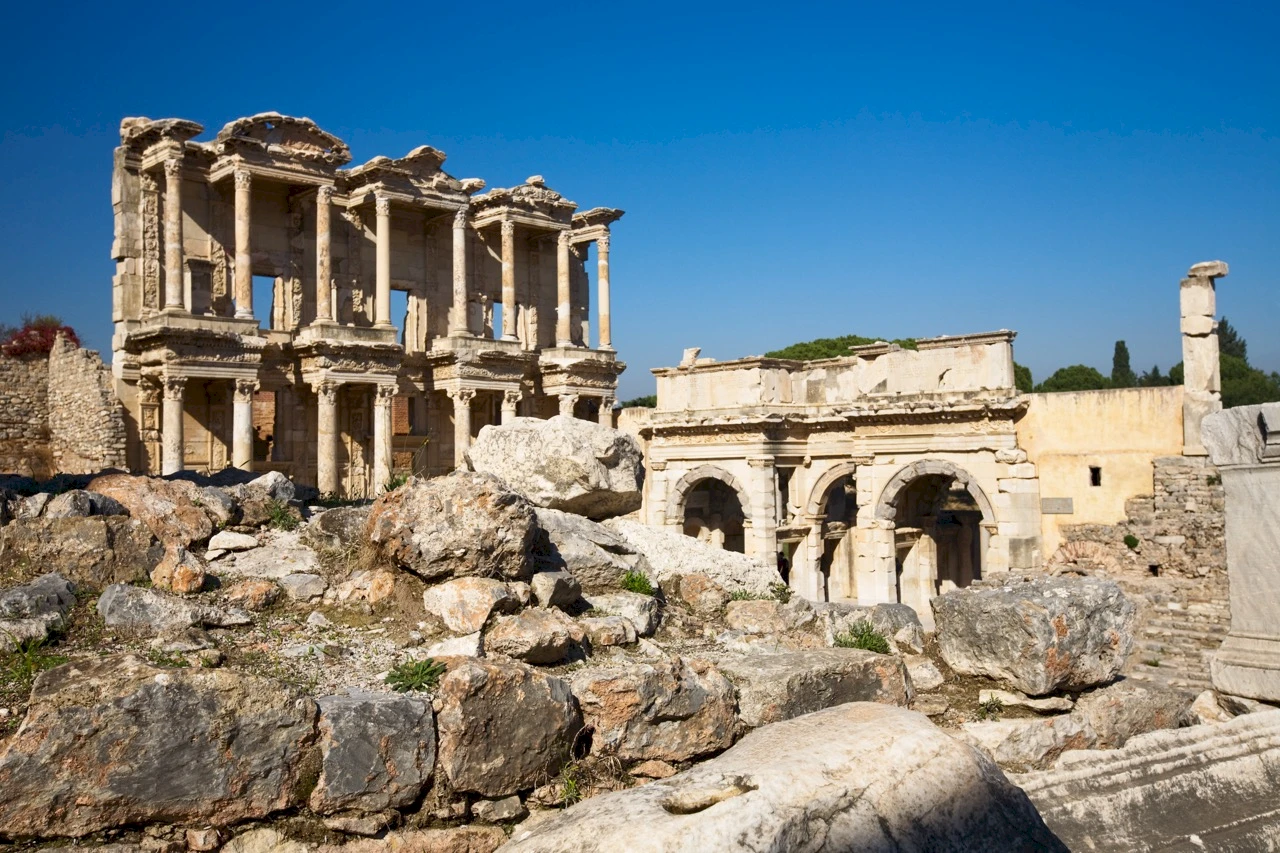
Ephesus, known for its magnificent Temple of Artemis, was not only a religious center but also a significant financial hub in the ancient world. The Temple of Artemis, one of the Seven Wonders of the Ancient World, served as more than just a place of worship; it was a central institution for banking and commerce. This post explores how the temple became a trusted financial institution, fostering Ephesus' reputation as a center for wealth and trade.
1. The Temple of Artemis: More than a Place of Worship
Built to honor the goddess Artemis, the temple attracted pilgrims from all over the ancient Mediterranean. As people flocked to Ephesus to pay homage to the goddess, the temple accumulated vast amounts of wealth through donations, offerings, and tributes. The wealth stored within the temple’s walls was so great that it became one of the safest places to store valuables, as the temple grounds were considered sacred and protected by the goddess. The temple’s influence extended beyond religious practices. Its role as a trusted institution grew to include financial transactions, as people began to leave their money in the temple for safekeeping. The temple's reputation and spiritual significance made it a stable and respected entity, well-suited for its expanding role as a financial institution.
2. Temple Deposits and Wealth Management
The Temple of Artemis operated much like a bank, providing deposit and lending services. Wealthy citizens, merchants, and even foreign governments entrusted the temple with their treasures, knowing that the sanctity of the site would protect their wealth. The priests who managed the temple became de facto bankers, overseeing deposits and issuing loans backed by the temple’s considerable assets. The temple likely provided loans to local businesses and traders, facilitating commerce within the city and the wider region. As a result, the temple helped to stimulate the local economy, making Ephesus an attractive place for traders and artisans. The temple’s role in wealth management extended beyond individual transactions, contributing to the city's prosperity and influence.
3. Financing Public Projects and Trade
The wealth accumulated by the Temple of Artemis also played a role in funding public projects. The temple provided loans to finance the construction of buildings, roads, and other infrastructure, thereby enhancing Ephesus' status as a major city. These projects, funded by the temple’s resources, helped to create a thriving urban environment that attracted more residents, visitors, and traders. In addition to local projects, the temple’s financial influence extended to trade throughout the region. Ephesus' position as a major port city connected it to other centers of commerce across the Mediterranean, and the temple facilitated these connections through its financial services. By offering credit and acting as a guarantor for transactions, the Temple of Artemis played a crucial role in establishing Ephesus as a hub for trade and commerce.
4. The Temple's Influence on the Ephesian Economy
The temple’s role as a financial institution had a lasting impact on the Ephesian economy. By acting as a secure location for deposits and providing credit to traders, the Temple of Artemis enabled economic growth and stability within the city. Its financial activities created a network of wealth and commerce that made Ephesus one of the wealthiest cities in the ancient world. The temple’s financial power also reinforced the cultural significance of Artemis in Ephesian society. As the goddess’s influence extended beyond the spiritual realm into the economic and civic life of the city, the people of Ephesus regarded Artemis not only as a protector but also as a benefactor who enabled prosperity and security. Conclusion The Temple of Artemis in Ephesus was more than a place of worship; it was an institution that played a pivotal role in the financial life of the city. Through its banking services, the temple supported trade, financed public works, and contributed to the city's economic prosperity. The legacy of the Temple of Artemis reflects the multifaceted role that religious institutions could play in the ancient world, blending spirituality with commerce and making Ephesus a center of wealth and influence.
For more on the history of Ephesus and its temple, visit the Wikipedia page on Ephesus.
Introduction
Discover the fascinating world of Ephesus as a Financial Hub: The Role of the Temple of Art... in ancient Ephesus. This comprehensive guide explores the historical significance, archaeological findings, and cultural impact of this remarkable aspect of Ephesian heritage.
Historical Background
The history of Ephesus as a Financial Hub: The Role of the Temple of Art... dates back to the early days of Ephesus. Archaeological evidence suggests that this aspect of Ephesian life played a crucial role in shaping the city's development and cultural identity.
Archaeological Discoveries
Recent excavations have unveiled remarkable findings related to Ephesus as a Financial Hub: The Role of the Temple of Art.... These discoveries provide valuable insights into how this aspect of Ephesian life evolved over time.
Cultural Significance
Understanding Ephesus as a Financial Hub: The Role of the Temple of Art... is crucial for appreciating the broader cultural context of ancient Ephesus. Its influence extended beyond the city walls, impacting trade, religion, and daily life.
Visitor Information
Today, visitors to Ephesus can explore the remnants of Ephesus as a Financial Hub: The Role of the Temple of Art... firsthand. This section provides practical information for making the most of your visit.
Preservation and Future
Ongoing conservation efforts ensure that Ephesus as a Financial Hub: The Role of the Temple of Art... remains preserved for future generations. Learn about the challenges and successes in maintaining this important historical site.
Frequently Asked Questions
What is the historical significance of Ephesus as a Financial Hub: The Role of the Temple of Art...?
The Ephesus as a Financial Hub: The Role of the Temple of Art... holds great historical importance in ancient Ephesus, providing valuable insights into the city's cultural and social development.
What can visitors see related to Ephesus as a Financial Hub: The Role of the Temple of Art... today?
Visitors to Ephesus can explore well-preserved remains and artifacts related to Ephesus as a Financial Hub: The Role of the Temple of Art..., offering a glimpse into the ancient world.
When is the best time to visit Ephesus as a Financial Hub: The Role of the Temple of Art...?
The best time to visit is during the spring (April-May) or autumn (September-October) when the weather is mild and crowds are smaller.
Frequently Asked Questions
What is the historical significance of Ephesus as a Financial Hub: The Role of the Temple of Art...?
The Ephesus as a Financial Hub: The Role of the Temple of Art... holds great historical importance in ancient Ephesus, providing valuable insights into the city's cultural and social development.
What can visitors see related to Ephesus as a Financial Hub: The Role of the Temple of Art... today?
Visitors to Ephesus can explore well-preserved remains and artifacts related to Ephesus as a Financial Hub: The Role of the Temple of Art..., offering a glimpse into the ancient world.
When is the best time to visit Ephesus as a Financial Hub: The Role of the Temple of Art...?
The best time to visit is during the spring (April-May) or autumn (September-October) when the weather is mild and crowds are smaller.
Frequently Asked Questions
What is the historical significance of Ephesus as a Financial Hub: The Role of the Temple of Art...?
The Ephesus as a Financial Hub: The Role of the Temple of Art... holds great historical importance in ancient Ephesus, providing valuable insights into the city's cultural and social development.
What can visitors see related to Ephesus as a Financial Hub: The Role of the Temple of Art... today?
Visitors to Ephesus can explore well-preserved remains and artifacts related to Ephesus as a Financial Hub: The Role of the Temple of Art..., offering a glimpse into the ancient world.
When is the best time to visit Ephesus as a Financial Hub: The Role of the Temple of Art...?
The best time to visit is during the spring (April-May) or autumn (September-October) when the weather is mild and crowds are smaller.