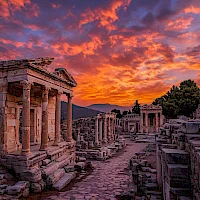


Where is Ephesus? in Ancient Ephesus
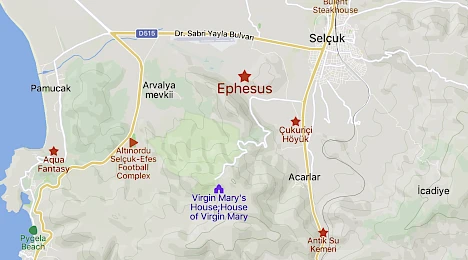
Ephesus, one of the most famous ancient cities, is located in the western part of modern-day Turkey. This historic site is near the town of Selçuk in the Izmir Province, approximately 80 kilometers south of Izmir. Ephesus is situated near the Aegean coast, which played a crucial role in its development as a major trade center in ancient times.
Historical Significance of Ephesus
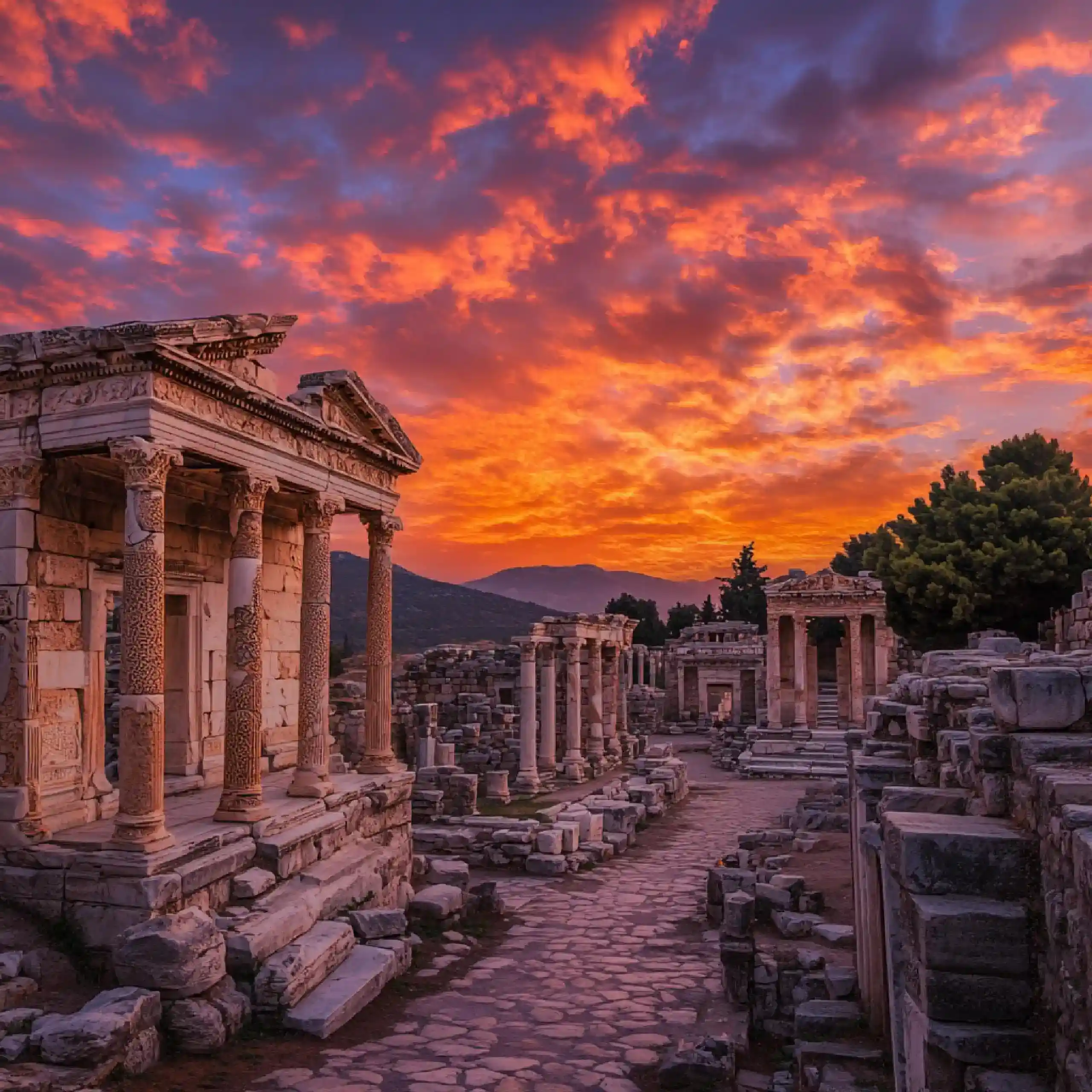
Ephesus was an important city in ancient Greece and later in the Roman Empire. It was renowned for its grand architecture, including the Temple of Artemis, one of the Seven Wonders of the Ancient World. The city also played a vital role in the spread of Christianity, with significant sites such as the Basilica of St. John and the House of the Virgin Mary.
The city's well-preserved ruins attract thousands of tourists every year, making it a must-visit destination for history enthusiasts and travelers alike.
How to Get to Ephesus
Getting to Ephesus is relatively straightforward, with several transportation options available:
- By Air: The nearest major airport is Adnan Menderes Airport in Izmir. From there, you can take a bus or a train to Selçuk, which is the closest town to Ephesus.
- By Train: Selçuk is well-connected by train from major cities like Izmir and Aydın. The train station in Selçuk is just a few kilometers from the Ephesus ruins.
- By Bus: Regular buses run from Izmir to Selçuk. The journey takes about an hour and a half.
- By Car: If you prefer driving, you can rent a car and enjoy a scenic drive from Izmir to Ephesus.
Exploring Ephesus
Once you arrive in Ephesus, there are several must-see attractions:
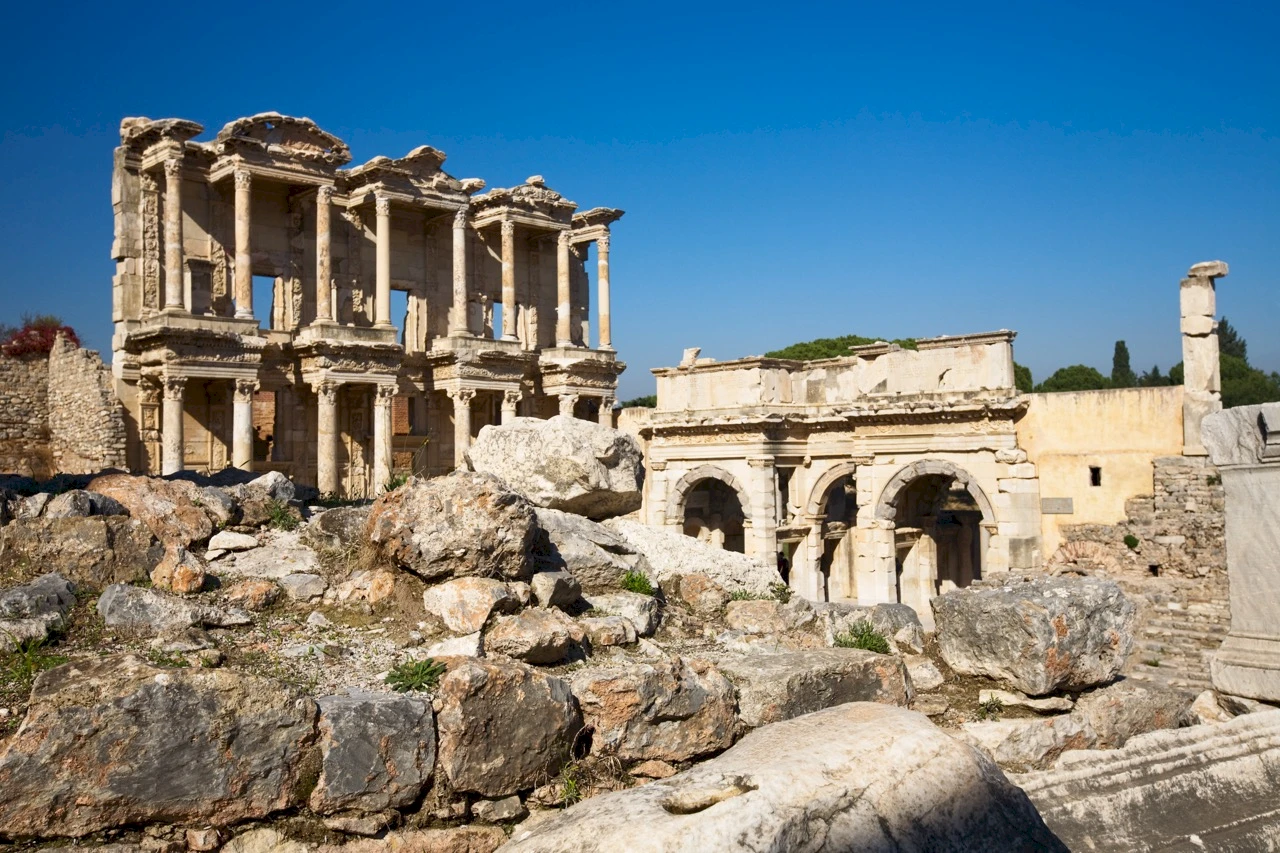
- Library of Celsus: This iconic structure is one of the most photographed ruins in Ephesus. It was built to store 12,000 scrolls and served as a mausoleum for Celsus, a Roman senator.
- Great Theatre: This grand theatre could seat up to 25,000 spectators and is one of the largest and best-preserved theatres from the ancient world.
- Temple of Artemis: Although only a few columns remain, this site is still worth a visit due to its historical significance as one of the Seven Wonders of the Ancient World.
- House of the Virgin Mary: Located on the nearby hill of Bulbul Mountain, this site is believed to be the last residence of the Virgin Mary.
- Terrace Houses: These luxurious residential houses provide insight into the daily lives of Ephesus's wealthy citizens.
External Links for Further Reading
For more detailed information about Ephesus, you can visit the following resources:
Conclusion
Ephesus is a treasure trove of ancient history and architectural marvels. Whether you are a history buff or a casual traveler, visiting Ephesus offers a glimpse into the grandeur of ancient civilizations. Plan your trip to Ephesus today and explore one of the most fascinating archaeological sites in the world.
Click to get best price for Ephesus Tours by Otti Travel.
Introduction
Discover the fascinating world of Where is Ephesus? in Ancient Ephesus in ancient Ephesus. This comprehensive guide explores the historical significance, archaeological findings, and cultural impact of this remarkable aspect of Ephesian heritage.
Historical Background
The history of Where is Ephesus? in Ancient Ephesus dates back to the early days of Ephesus. Archaeological evidence suggests that this aspect of Ephesian life played a crucial role in shaping the city's development and cultural identity.
Archaeological Discoveries
Recent excavations have unveiled remarkable findings related to Where is Ephesus? in Ancient Ephesus. These discoveries provide valuable insights into how this aspect of Ephesian life evolved over time.
Cultural Significance
Understanding Where is Ephesus? in Ancient Ephesus is crucial for appreciating the broader cultural context of ancient Ephesus. Its influence extended beyond the city walls, impacting trade, religion, and daily life.
Visitor Information
Today, visitors to Ephesus can explore the remnants of Where is Ephesus? in Ancient Ephesus firsthand. This section provides practical information for making the most of your visit.
Preservation and Future
Ongoing conservation efforts ensure that Where is Ephesus? in Ancient Ephesus remains preserved for future generations. Learn about the challenges and successes in maintaining this important historical site.
Frequently Asked Questions
What is the historical significance of Where is Ephesus? in Ancient Ephesus?
The Where is Ephesus? in Ancient Ephesus holds great historical importance in ancient Ephesus, providing valuable insights into the city's cultural and social development.
What can visitors see related to Where is Ephesus? in Ancient Ephesus today?
Visitors to Ephesus can explore well-preserved remains and artifacts related to Where is Ephesus? in Ancient Ephesus, offering a glimpse into the ancient world.
When is the best time to visit Where is Ephesus? in Ancient Ephesus?
The best time to visit is during the spring (April-May) or autumn (September-October) when the weather is mild and crowds are smaller.
Frequently Asked Questions
What is the historical significance of Where is Ephesus? in Ancient Ephesus?
The Where is Ephesus? in Ancient Ephesus holds great historical importance in ancient Ephesus, providing valuable insights into the city's cultural and social development.
What can visitors see related to Where is Ephesus? in Ancient Ephesus today?
Visitors to Ephesus can explore well-preserved remains and artifacts related to Where is Ephesus? in Ancient Ephesus, offering a glimpse into the ancient world.
When is the best time to visit Where is Ephesus? in Ancient Ephesus?
The best time to visit is during the spring (April-May) or autumn (September-October) when the weather is mild and crowds are smaller.
Frequently Asked Questions
What is the historical significance of Where is Ephesus? in Ancient Ephesus?
The Where is Ephesus? in Ancient Ephesus holds great historical importance in ancient Ephesus, providing valuable insights into the city's cultural and social development.
What can visitors see related to Where is Ephesus? in Ancient Ephesus today?
Visitors to Ephesus can explore well-preserved remains and artifacts related to Where is Ephesus? in Ancient Ephesus, offering a glimpse into the ancient world.
When is the best time to visit Where is Ephesus? in Ancient Ephesus?
The best time to visit is during the spring (April-May) or autumn (September-October) when the weather is mild and crowds are smaller.
Frequently Asked Questions
What is the historical significance of Where is Ephesus? in Ancient Ephesus?
The Where is Ephesus? in Ancient Ephesus holds great historical importance in ancient Ephesus, providing valuable insights into the city's cultural and social development.
What can visitors see related to Where is Ephesus? in Ancient Ephesus today?
Visitors to Ephesus can explore well-preserved remains and artifacts related to Where is Ephesus? in Ancient Ephesus, offering a glimpse into the ancient world.
When is the best time to visit Where is Ephesus? in Ancient Ephesus?
The best time to visit is during the spring (April-May) or autumn (September-October) when the weather is mild and crowds are smaller.