
Uncovering the Temple of Artemis: The Legacy of Ephesus' Ancient Wonder
The Temple of Artemis, one of the Seven Wonders of the Ancient World, stands as a testament to the cultural, spiritual, and architectural grandeur of ancient Ephesus. This monumental structure, dedicated to Artemis, the goddess of fertility and nature, played a central role in the city's religious and economic life. Though its magnificence has been diminished by time and destruction, the legacy of the Temple of Artemis continues to captivate and inspire visitors and historians alike. This article explores the rich history, architectural brilliance, and cultural significance of this ancient wonder.
Historical Background
The Origins of Artemis Worship
The worship of Artemis in Ephesus dates back to the pre-Greek era, when the region's indigenous Anatolian population revered a mother goddess symbolizing fertility and abundance. Over time, this deity was integrated with the Greek goddess Artemis, resulting in a unique cultural fusion that became central to Ephesian identity. As the patron goddess of Ephesus, Artemis embodied protection, prosperity, and natural harmony.
Construction of the Temple
The most renowned version of the Temple of Artemis was built in the 6th century BCE under the patronage of King Croesus of Lydia. Designed by the architects Chersiphron and Metagenes, the temple was an architectural marvel constructed entirely of marble. It required immense resources and labor, showcasing the wealth and ambition of Ephesus. The temple became a symbol of the city’s prominence within the ancient world.
A Hub of Pilgrimage and Commerce
The temple was not merely a place of worship; it was a bustling hub of activity. Pilgrims from across the Mediterranean flocked to Ephesus to pay homage to Artemis, bringing offerings and engaging in trade. This influx of visitors transformed the temple precincts into a vibrant marketplace, contributing significantly to the city’s economy.
Architectural Brilliance
Monumental Design
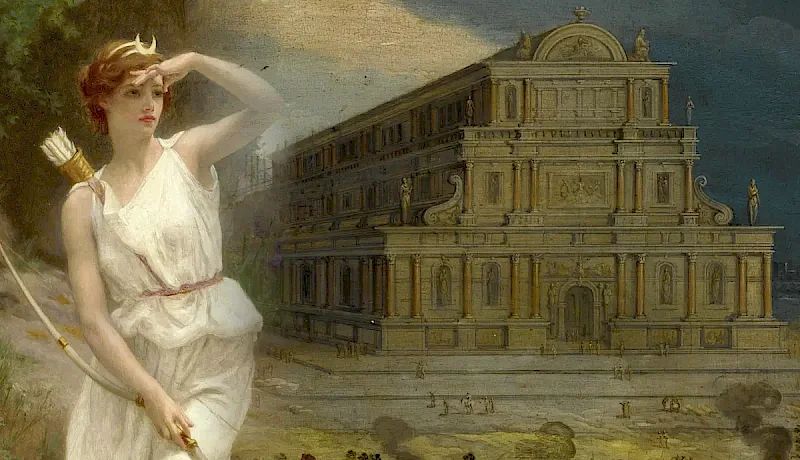
The Temple of Artemis was a colossal structure, measuring approximately 115 meters in length and 55 meters in width. It featured 127 Ionic columns, each standing 18 meters tall, arranged in a double colonnade that encircled the main sanctuary. The sheer scale of the temple conveyed a sense of divine majesty and reverence.
Artistic Flourishes
The temple’s adornments included intricate sculptures and reliefs depicting scenes from mythology and the life of Artemis. The central statue of Artemis, crafted from gold and ebony, served as the focal point of worship. These artistic elements highlighted the craftsmanship and cultural sophistication of ancient Ephesus.
Engineering Innovations
The temple’s foundation was built on marshy terrain to protect it from earthquakes. Layers of charcoal and wool were placed beneath the foundation to absorb shocks and provide stability. This ingenious engineering solution ensured the temple’s longevity, reflecting the advanced knowledge of its builders.
Cultural and Religious Significance
Artemis: The Protector of Ephesus
In Ephesus, Artemis was more than a deity; she was a unifying figure who embodied the city’s spiritual and cultural identity. Her worship fostered a sense of community and continuity, with rituals and festivals reinforcing her central role in Ephesian life.
The Artemisia Festival
The annual Artemisia festival was a grand celebration that honored the goddess. It featured processions, sacrifices, music, and athletic competitions, attracting participants and spectators from far and wide. This festival underscored the temple’s importance as both a religious and cultural landmark.
Economic Influence
The temple’s status as a major pilgrimage site brought significant economic benefits to Ephesus. Pilgrims contributed to local commerce, while the temple itself served as a repository for offerings and wealth. Its influence extended beyond religion, shaping the city’s social and economic structure.
Decline and Rediscovery
Destruction and Rebuilding
The Temple of Artemis faced repeated destruction over the centuries. It was first damaged by a flood in the 7th century BCE and later rebuilt on a grander scale. In 356 BCE, it was deliberately burned by Herostratus, who sought infamy through this act. Despite these setbacks, the temple was reconstructed multiple times, reflecting its enduring significance to the people of Ephesus.
The Gothic Invasion and Christianity
The final destruction occurred during the Gothic invasion of 268 CE. As Christianity gained prominence in the Roman Empire, the worship of Artemis declined, and the temple fell into disuse. By the 5th century CE, its materials had been repurposed for other buildings, including the Hagia Sophia in Constantinople.
Archaeological Rediscovery
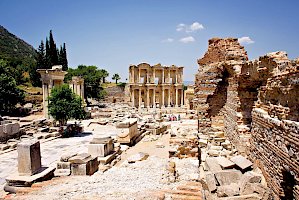
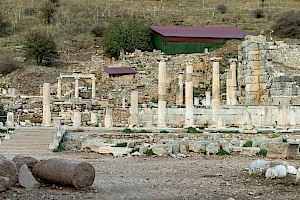
The temple’s ruins were rediscovered in the 19th century by British archaeologist John Turtle Wood. Excavations revealed the foundations, fragments of columns, and other artifacts, offering valuable insights into the temple’s grandeur and historical importance. Today, the site is part of the Ephesus UNESCO World Heritage Site.
Visiting the Temple of Artemis Today
Key Highlights
Visitors to the site of the Temple of Artemis can explore its ruins and imagine its former glory. A single reconstructed column stands as a poignant reminder of its past grandeur. Nearby museums, such as the Ephesus Archaeological Museum and the British Museum, house artifacts from the temple, including statues, inscriptions, and reliefs.
Practical Information
-
Best Time to Visit: Spring (April-May) and autumn (September-October) offer mild weather for exploring the site.
-
Guided Tours: Enhance your visit with a knowledgeable guide who can provide historical context and stories about the temple.
-
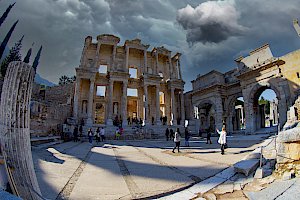
Nearby Attractions: Combine your visit with other Ephesian landmarks, such as the Library of Celsus and the Great Theatre, for a comprehensive exploration of ancient Ephesus.
Legacy and Lessons
The Temple of Artemis symbolizes the creativity, devotion, and resilience of ancient civilizations. Its history reflects the impermanence of even the grandest human achievements, reminding us of the importance of preserving cultural heritage. As one of antiquity’s most remarkable wonders, the temple continues to inspire and educate modern audiences.
Conclusion
Uncovering the Temple of Artemis reveals the profound cultural and architectural achievements of ancient Ephesus. Though only fragments remain, the temple’s legacy endures as a symbol of the city’s former glory. Visiting its site offers a unique opportunity to connect with history and appreciate the ingenuity of ancient builders. Plan your journey to Ephesus to experience the enduring allure of the Temple of Artemis.