
Uncovering Ephesus’ Legends: Myths, Prophecies, and Ancient Tales
Ephesus, one of the most fascinating cities of the ancient world, is steeped in myths, prophecies, and legends that have shaped its cultural identity. From its legendary foundation to tales of divine intervention, Ephesus is a city where history and mythology intertwine. These stories, passed down through generations, reveal the values, beliefs, and imagination of the people who once inhabited this remarkable place. This article explores the myths, prophecies, and ancient tales that make Ephesus a treasure trove of cultural heritage.
The Foundation Myth of Ephesus
The Oracle of Delphi and Androclus
According to legend, the founding of Ephesus was guided by the Oracle of Delphi. The oracle advised Androclus, son of the Athenian king Codrus, to establish a city where a fish and a boar would show the way. Upon reaching the coast of Anatolia, Androclus and his followers saw a fish leap from a fire, igniting a nearby bush where a wild boar emerged. Interpreting this as the fulfillment of the prophecy, Androclus founded the city of Ephesus.
The Role of Artemis
The goddess Artemis played a central role in the mythological origins of Ephesus. As the city's patron deity, Artemis was believed to have blessed the land, ensuring its prosperity and protection. The Temple of Artemis, one of the Seven Wonders of the Ancient World, stands as a testament to her enduring significance in Ephesian culture.
Prophecies and Oracles
The Influence of the Oracle of Delphi
The Oracle of Delphi was instrumental in shaping the destiny of Ephesus. Beyond its foundation, many leaders and citizens sought the oracle's guidance for decisions related to governance, warfare, and religious practices. These prophecies reinforced the city's connection to divine powers, elevating its status in the ancient world.
The Prophecy of the Virgin Mary
A later legend tied to Ephesus is the belief that the Virgin Mary spent her final years near the city. This prophecy, based on visions reported by 19th-century mystic Anne Catherine Emmerich, led to the discovery of the House of the Virgin Mary, now a major pilgrimage site. This tale underscores the city's spiritual significance across different eras and religions.
Myths and Legends of the Artemis Cult
The Birthplace of Artemis
Ephesus was considered a sacred place for the worship of Artemis. According to myth, she was born near the city, along with her twin brother Apollo, on the island of Ortygia. Her connection to Ephesus made the city a center for her cult, attracting pilgrims and worshippers from across the ancient world.
The Amazons and Artemis
Legend holds that the Amazons, a race of warrior women, were the first to build a shrine to Artemis in Ephesus. As devotees of the goddess, the Amazons contributed to the city's early religious identity. Their association with Artemis symbolized strength, independence, and devotion.
Tales of Divine Intervention
The Miracle of the Temple’s Construction
The construction of the Temple of Artemis is surrounded by tales of divine intervention. One legend recounts how the goddess herself appeared to guide the builders, ensuring the temple's completion. This story reinforced the belief that the goddess actively protected and nurtured her city.
St. Paul and the Riot
The biblical account of St. Paul’s time in Ephesus adds another layer to the city's legendary history. According to the Acts of the Apostles, Paul's preaching against idol worship incited a riot led by silversmiths who crafted statues of Artemis. This event highlights the deep-rooted devotion to the goddess and the cultural tensions of the time.
Ancient Heroes and Folklore
Androclus’ Heroic Legacy
Androclus, the city’s legendary founder, is celebrated not only for establishing Ephesus but also for his bravery and leadership. Tales of his exploits, including his death in battle defending the city, cemented his status as a hero in Ephesian folklore. His tomb was reportedly located near the Magnesian Gate, serving as a symbol of his enduring legacy.
The Legend of the Ephesian Letters
The "Ephesian Letters" were magical symbols or words believed to possess protective and healing powers. Ancient texts describe these letters as being inscribed on the Temple of Artemis and used in rituals to ward off evil. This legend reflects the mystical and spiritual aspects of Ephesian culture.
Archaeological Evidence of Legends
Discoveries at the Temple of Artemis
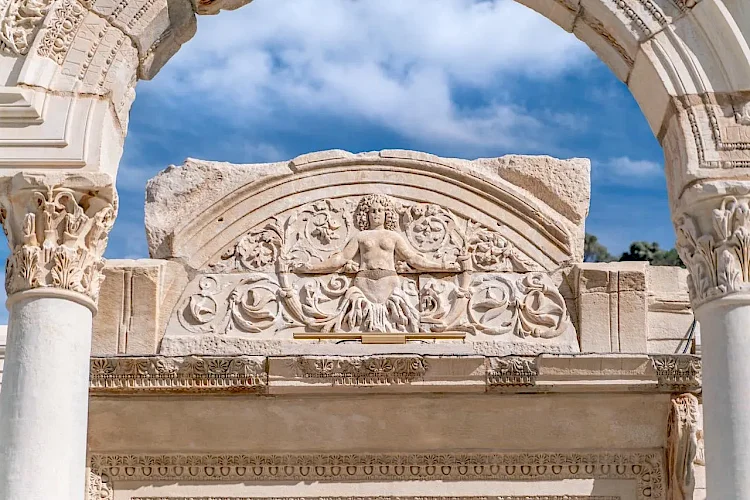
Excavations at the Temple of Artemis have revealed artifacts and inscriptions that align with the city's mythological heritage. These findings, including statues and reliefs depicting Artemis and the Amazons, provide tangible connections to the legends that shaped Ephesus.
The House of the Virgin Mary
The discovery of the House of the Virgin Mary near Ephesus has drawn pilgrims and scholars alike. While its authenticity remains debated, the site’s enduring appeal underscores the power of legends in shaping cultural and religious landscapes.
Visiting Ephesus to Relive Its Legends
Key Sites to Explore
-
Temple of Artemis: Immerse yourself in the myths surrounding one of the ancient world’s greatest wonders.
-
House of the Virgin Mary: Reflect on the legend of Mary’s final years in this serene pilgrimage site.
-
Magnesian Gate: Visit the area associated with Androclus’ heroic legacy.
Practical Tips
-
Best Time to Visit: Spring and autumn offer mild weather, ideal for exploring the archaeological sites.
-
Guided Tours: Join a knowledgeable guide to uncover the stories behind Ephesus’ legends.
-
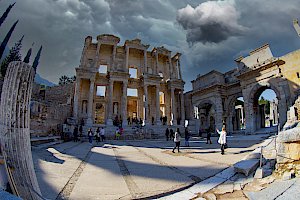
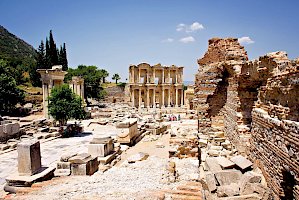
Nearby Attractions: Combine your visit with the Great Theatre and the Library of Celsus for a comprehensive experience.
The Enduring Power of Legends
The myths, prophecies, and tales of Ephesus offer a unique window into the imagination and values of its ancient inhabitants. These stories, blending history and mythology, continue to captivate and inspire visitors from around the world. They remind us of the enduring power of storytelling in shaping cultural identity and connecting us to the past.
Conclusion
Uncovering the legends of Ephesus reveals a city rich in history, mythology, and cultural significance. From its divine foundation to tales of heroism and prophecy, Ephesus is a place where stories come alive. Visiting its legendary sites allows us to step into a world of ancient wonders and timeless narratives. Plan your journey to Ephesus to explore its myths and immerse yourself in the legends that have defined this extraordinary city.