

Introduction
Introduce the Ephesus Archaeological Museum as the primary institution preserving the artifacts and relics from Ephesus. Mention its location in Selçuk, Turkey, and its role in showcasing items from one of the most famous ancient cities in the world.
The Museum’s Collection and Significance
Describe the museum's collection, which includes statues, reliefs, inscriptions, and everyday items from ancient Ephesus. Explain how these items provide insights into the social, cultural, and religious life of Ephesus throughout different historical periods.
Highlights from the Temple of Artemis
Discuss the artifacts related to the Temple of Artemis, including statues and sculptural fragments. Highlight significant pieces, such as decorative column elements and statues of Artemis, which illustrate the grandeur of one of the Seven Wonders of the Ancient World.
Relics from the Great Theatre and Public Spaces
Explore the items from Ephesus’ Great Theatre and other public spaces, including architectural pieces, relief carvings, and inscriptions. Describe how these artifacts reveal the civic and social activities that took place in these iconic locations.
Domestic Artifacts: Terrace Houses Exhibit
Detail the domestic artifacts found in the Terrace Houses, such as mosaics, frescoes, and household items. Explain how these artifacts provide a glimpse into the daily lives of the wealthy Ephesians and showcase the artistic tastes of the time.
Religious Artifacts and Early Christianity
Explain the significance of the religious artifacts, such as items from the Basilica of St. John and other early Christian sites in Ephesus. Discuss items like altars, crosses, and religious inscriptions that reflect the city’s transition from paganism to Christianity.
Visiting the Ephesus Archaeological Museum
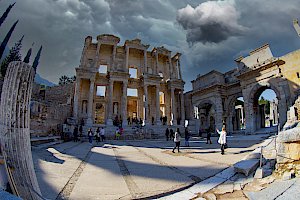
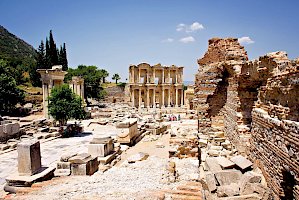
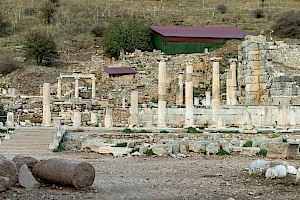
Provide practical information for visitors, including the museum’s layout and notable exhibits. Mention nearby historical sites, such as the ancient city of Ephesus itself, and how visiting the museum complements the experience of exploring these ruins.
Conclusion
Conclude by reflecting on the importance of the Ephesus Archaeological Museum in preserving the city’s heritage. Emphasize how the museum allows modern visitors to connect with the ancient world and understand the daily lives, beliefs, and artistry of the people of Ephesus.
External Link Suggestion:
Link to the Wikipedia page on the Ephesus Archaeological Museum for additional information.