
Exploring Ephesus' Public Spaces: The Agora, Prytaneion, and Bouleuterion
Ephesus, an ancient city of unparalleled cultural and historical significance, was renowned not only for its grand monuments but also for its vibrant public spaces. The Agora, Prytaneion, and Bouleuterion were integral to the city’s social, political, and economic life. These communal spaces reflected the civic pride and ingenuity of the Ephesian people, serving as hubs for governance, trade, and cultural exchange. In this article, we explore the historical significance, architectural features, and enduring legacy of these iconic spaces in Ephesus.
The Agora: The Heart of Commerce and Social Life
Historical Background
The Agora, or marketplace, was the bustling center of economic activity in Ephesus. It was divided into two main sections: the Commercial Agora and the State Agora. The Commercial Agora, located near the harbor, was the primary hub for merchants and traders, while the State Agora served as a political and administrative center.
Architectural Features
The Commercial Agora was a large rectangular space surrounded by colonnaded stoas. These covered walkways provided shade and shelter for merchants and shoppers. The area was adorned with statues and fountains, creating a lively and welcoming atmosphere. Archaeological evidence suggests that the Agora was equipped with storage facilities and workshops, highlighting its importance in the city’s trade network.
Cultural and Economic Role
The Agora was more than just a marketplace; it was a social hub where citizens gathered to discuss politics, exchange news, and enjoy public events. Festivals and religious processions often passed through the Agora, further emphasizing its role as a communal space.
The Prytaneion: The Civic and Ceremonial Center
Historical Background
The Prytaneion was the seat of the city’s civic administration and a symbol of its unity and governance. Located near the State Agora, this structure housed the sacred hearth of Hestia, where an eternal flame burned to represent the city’s enduring vitality.
Architectural Features
The Prytaneion was a rectangular building with a central courtyard surrounded by colonnades. It included rooms for administrative offices, ceremonial halls, and dining areas for official banquets. Statues of Artemis, the city’s patron goddess, were prominently displayed, underscoring the Prytaneion’s religious significance.
Social and Political Role
The Prytaneion hosted meetings of city officials, receptions for dignitaries, and public ceremonies. It was also the site of feasts and celebrations honoring Artemis and other deities. The combination of civic and religious functions made the Prytaneion a focal point of Ephesian life.
The Bouleuterion: The Council House of Ephesus
Historical Background
The Bouleuterion, or council house, was where the city’s council (boule) convened to discuss and decide on matters of governance. This institution played a crucial role in shaping the political landscape of Ephesus, reflecting its democratic traditions.
Architectural Features
The Bouleuterion was an amphitheater-like structure with tiered seating arranged in a semicircle. It could accommodate several hundred council members and citizens, emphasizing the inclusive nature of Ephesian governance. The stage area featured inscriptions and decorative elements that celebrated the city’s achievements and leaders.
Governance and Community Role
The Bouleuterion was not only a place for political deliberations but also a venue for public speeches and cultural events. Its design facilitated open dialogue and civic participation, reinforcing the democratic values of the city.
The Legacy of Ephesus' Public Spaces
Architectural Ingenuity
The Agora, Prytaneion, and Bouleuterion exemplify the architectural brilliance of ancient Ephesus. Their designs were not only functional but also symbolic, reflecting the city’s commitment to civic pride and community well-being.
Cultural Significance
These public spaces were the lifeblood of Ephesus, fostering a sense of unity and identity among its citizens. They served as platforms for cultural exchange, political discourse, and religious observance, highlighting the multifaceted nature of Ephesian society.
Modern-Day Exploration
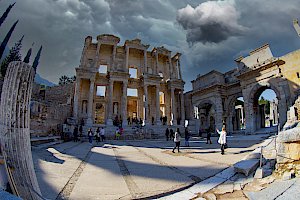
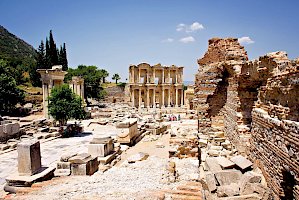
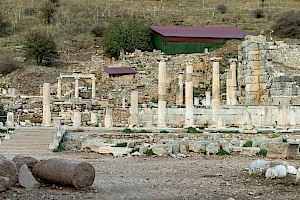
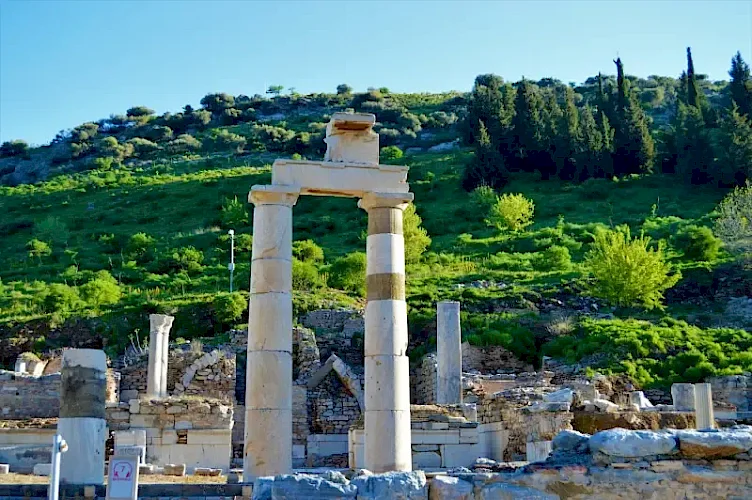
Today, visitors to Ephesus can explore the ruins of these iconic spaces and imagine the vibrant life that once animated them. The preserved structures offer a glimpse into the city’s grandeur and the ingenuity of its people.
Visiting Ephesus' Public Spaces
What to See
-
Commercial Agora: Marvel at the remnants of colonnaded stoas, statues, and fountains that once adorned this bustling marketplace.
-
Prytaneion: Admire the sacred hearth and statues of Artemis, as well as the architectural elegance of this civic center.
-
Bouleuterion: Explore the tiered seating and inscriptions that reflect the city’s democratic traditions.
Practical Tips
-
Best Time to Visit: Spring (April-May) and autumn (September-October) offer mild weather, ideal for exploring the site.
-
Guided Tours: A knowledgeable guide can provide insights into the history and significance of these public spaces.
-
Nearby Attractions: Combine your visit with other landmarks, such as the Great Theatre and the Library of Celsus, for a comprehensive experience of ancient Ephesus.
Conclusion
The Agora, Prytaneion, and Bouleuterion were more than just physical structures; they were the heart of Ephesus’ vibrant public life. These spaces exemplified the city’s cultural, economic, and political achievements, leaving an enduring legacy that continues to inspire and educate. Visiting these sites today offers a unique opportunity to connect with the past and appreciate the ingenuity and vision of the ancient Ephesians. Plan your journey to Ephesus and experience the timeless allure of its public spaces.