

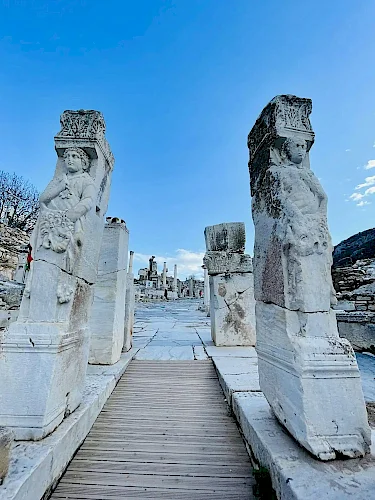
Discover the Ancient Inscriptions of Ephesus
Explore the fascinating ancient inscriptions of Ephesus, revealing insights into the city's history, culture, and daily life. Discover their significance and what they tell us about the past. Ephesus, one of the most significant archaeological sites in Turkey, is not only known for its stunning ruins and historical landmarks but also for its rich collection of ancient inscriptions. These inscriptions, etched in stone or carved into various surfaces, provide invaluable insights into the social, political, and cultural life of this ancient city. This guide will explore the significance of these inscriptions, their historical context, and what they reveal about Ephesus's past.
1. The Historical Context of Inscriptions in Ephesus
Cultural Melting Pot:
- Ephesus was a thriving metropolis that attracted a diverse population, including Greeks, Romans, and later Christians. This cultural melting pot is reflected in the variety of inscriptions found throughout the city, which are written in different languages and scripts.
Types of Inscriptions:
- Inscriptions in Ephesus can be broadly categorized into several types, including:
- Public Inscriptions: These include decrees, laws, and proclamations made by local authorities or religious leaders, often displayed in public spaces.
- Grave Inscriptions: Tombstones and memorials provide information about individuals, their families, and their accomplishments.
- Dedications: Inscriptions that honor gods, patrons, or prominent citizens, reflecting the city's religious practices and social hierarchy.
2. Notable Inscriptions in Ephesus
The Inscription of the Honorary Decree for the Ptolemaic Family:
- This inscription honors the Ptolemaic family for their contributions to the city. It highlights the close relationship between Ephesus and the Ptolemaic dynasty, showcasing the importance of patronage in ancient society.
The Great Theatre Inscriptions:
- Inscriptions found in the Great Theatre detail events and performances, providing insight into the cultural life of Ephesus. They reflect the city's vibrant theatrical traditions and its role as a center for the arts.
Grave Inscriptions:
- Various tombstones throughout Ephesus reveal details about the lives of its citizens, including their names, professions, and sometimes even epitaphs that give a glimpse into their values and beliefs.
3. Significance of Inscriptions
Historical Insights:
- Ancient inscriptions serve as primary sources for historians and archaeologists, offering direct evidence of the political, social, and economic conditions in Ephesus during different periods.
Cultural Reflection:
- Inscriptions reflect the beliefs, values, and practices of the people who lived in Ephesus. They provide insights into religious practices, social hierarchies, and community dynamics.
Language and Writing:
- The inscriptions showcase the evolution of language and writing in the region, illustrating the transition from Greek to Latin and the influence of other cultures over time.
4. Preserving the Inscriptions
Archaeological Efforts:
- Ongoing archaeological work in Ephesus aims to uncover, document, and preserve these ancient inscriptions. Researchers use advanced techniques to study the inscriptions and ensure their protection for future generations.
Public Access:
- Many inscriptions have been preserved and are displayed in situ at archaeological sites. This allows visitors to engage directly with the history of Ephesus and understand the significance of these ancient texts.
5. Visiting Ephesus and Its Inscriptions
Guided Tours:
- Consider joining a guided tour that focuses on the inscriptions and their historical context. Knowledgeable guides can provide valuable insights and stories behind the texts.
Self-Guided Exploration:
- For those exploring independently, information boards and signage throughout Ephesus offer explanations of key inscriptions. Take your time to read and reflect on these texts as you walk through the ruins.
6. Conclusion
The ancient inscriptions of Ephesus are a treasure trove of historical and cultural information, offering a window into the lives of its inhabitants and the complexities of their society. As you discover these inscriptions during your visit, you'll gain a deeper appreciation for Ephesus’s rich history and the significance of this remarkable city in the ancient world. The inscriptions not only tell stories of the past but also connect us to the enduring legacy of human expression and communication.
Introduction
Discover the fascinating world of Discover the Ancient Inscriptions of Ephesus in ancient Ephesus. This comprehensive guide explores the historical significance, archaeological findings, and cultural impact of this remarkable aspect of Ephesian heritage.
Historical Background
The history of Discover the Ancient Inscriptions of Ephesus dates back to the early days of Ephesus. Archaeological evidence suggests that this aspect of Ephesian life played a crucial role in shaping the city's development and cultural identity.
Archaeological Discoveries
Recent excavations have unveiled remarkable findings related to Discover the Ancient Inscriptions of Ephesus. These discoveries provide valuable insights into how this aspect of Ephesian life evolved over time.
Cultural Significance
Understanding Discover the Ancient Inscriptions of Ephesus is crucial for appreciating the broader cultural context of ancient Ephesus. Its influence extended beyond the city walls, impacting trade, religion, and daily life.
Visitor Information
Today, visitors to Ephesus can explore the remnants of Discover the Ancient Inscriptions of Ephesus firsthand. This section provides practical information for making the most of your visit.
Preservation and Future
Ongoing conservation efforts ensure that Discover the Ancient Inscriptions of Ephesus remains preserved for future generations. Learn about the challenges and successes in maintaining this important historical site.
Frequently Asked Questions
What is the historical significance of Discover the Ancient Inscriptions of Ephesus?
The Discover the Ancient Inscriptions of Ephesus holds great historical importance in ancient Ephesus, providing valuable insights into the city's cultural and social development.
What can visitors see related to Discover the Ancient Inscriptions of Ephesus today?
Visitors to Ephesus can explore well-preserved remains and artifacts related to Discover the Ancient Inscriptions of Ephesus, offering a glimpse into the ancient world.
When is the best time to visit Discover the Ancient Inscriptions of Ephesus?
The best time to visit is during the spring (April-May) or autumn (September-October) when the weather is mild and crowds are smaller.
Frequently Asked Questions
What is the historical significance of Discover the Ancient Inscriptions of Ephesus?
The Discover the Ancient Inscriptions of Ephesus holds great historical importance in ancient Ephesus, providing valuable insights into the city's cultural and social development.
What can visitors see related to Discover the Ancient Inscriptions of Ephesus today?
Visitors to Ephesus can explore well-preserved remains and artifacts related to Discover the Ancient Inscriptions of Ephesus, offering a glimpse into the ancient world.
When is the best time to visit Discover the Ancient Inscriptions of Ephesus?
The best time to visit is during the spring (April-May) or autumn (September-October) when the weather is mild and crowds are smaller.
Frequently Asked Questions
What is the historical significance of Discover the Ancient Inscriptions of Ephesus?
The Discover the Ancient Inscriptions of Ephesus holds great historical importance in ancient Ephesus, providing valuable insights into the city's cultural and social development.
What can visitors see related to Discover the Ancient Inscriptions of Ephesus today?
Visitors to Ephesus can explore well-preserved remains and artifacts related to Discover the Ancient Inscriptions of Ephesus, offering a glimpse into the ancient world.
When is the best time to visit Discover the Ancient Inscriptions of Ephesus?
The best time to visit is during the spring (April-May) or autumn (September-October) when the weather is mild and crowds are smaller.